The Details That Shape a Darkened Room
- Curtain colour influences the room’s visual mood, while fabric thickness and construction affect how much light enters.
- Dark colours can create a dramatic appearance, but lighter fabrics can also provide effective light control when properly designed.
- Thick curtains and suitable linings can help reduce sunlight, glare and unwanted outside light.
- Measuring windows carefully and considering the room’s purpose can help you choose curtains that balance darkness, comfort and style.
Why Do Curtain Colours Change the Feel of a Room?
Curtains occupy a large area of many rooms, so their colour can influence the overall appearance even when they are closed. In a darkened room, this effect becomes more noticeable because the fabric forms a prominent backdrop around the window.
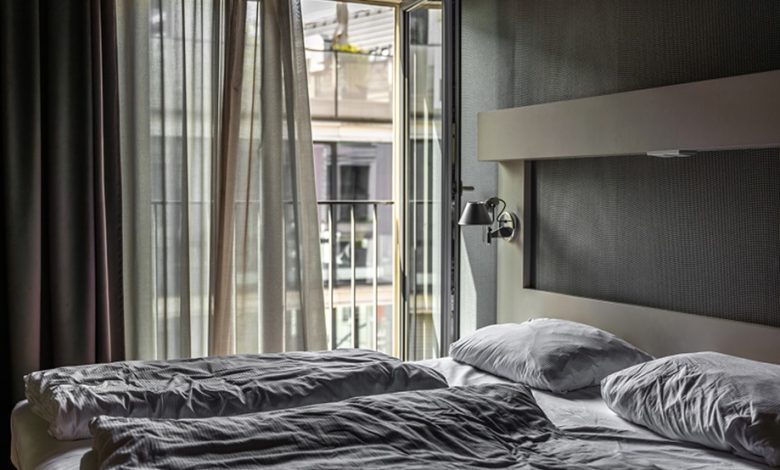
Dark shades such as charcoal, navy and deep brown can create a cosy, intimate atmosphere. They may suit bedrooms, media rooms and spaces where you want a more dramatic appearance. When paired with warm lighting, these colours can make an interior feel restful and enclosed.
Lighter shades, including cream, pale grey and soft beige, offer a different effect. They can make the window area feel less visually heavy, particularly in compact bedrooms or rooms with neutral furnishings. This may be useful when you want to limit incoming light without making the interior look too dark or imposing.
However, colour alone does not determine how effectively a curtain darkens a room. The fabric’s weave, lining, opacity, and fit all play important roles. A dark, thin curtain may allow considerable light through, while a properly constructed light-coloured blackout curtain can block much of the incoming light.
When choosing blackout curtains in Singapore, consider both their practical performance and their contribution to the room’s design. Think about the wall colour, flooring, furniture and amount of natural light the room receives when the curtains are open. The aim is to create a coordinated interior that remains comfortable throughout the day.
How Does Fabric Thickness Affect Light Control?
Curtain thickness can influence how much light passes through the material, but thickness is not the only factor that matters. The fabric’s construction and any additional lining can be just as important.
Sheer and lightweight curtains allow daylight to pass through, making them suitable for softening sunlight while maintaining a bright atmosphere. They provide limited darkness when used alone, especially when the sun shines directly through the window.
Medium-weight curtains offer more coverage and can reduce some glare, depending on their weave and opacity. They may work well in living rooms where you want to soften daylight without completely darkening the space.
Blackout curtains are designed to block most incoming light through the use of opaque fabric, specialised coatings or backing layers. Their effectiveness depends on the product’s construction and how closely the curtains cover the window. Even a highly opaque fabric may allow light around the sides, top or bottom if the installation leaves gaps.
Consider these factors when comparing curtain fabrics:
- Opacity: Check how much light the fabric itself allows through.
- Lining: An appropriate blackout lining can improve light control and provide a more substantial appearance.
- Fabric weight: Heavier materials may hang with greater fullness, but weight alone does not guarantee better light blocking.
- Curtain fullness: Adequate fabric width helps cover the window more completely and creates a richer drape.
- Edge coverage: The way the curtains extend beyond the window can affect how much light escapes around them.
A well-fitted curtain is often more effective than a thicker one that leaves large gaps around the frame. If darkness is a priority, assess the complete window treatment rather than judging the fabric by touch alone.
Which Curtain Colours Work Best in Different Rooms?
The most suitable curtain colour depends on the room’s purpose, existing décor and the atmosphere you want to create. Rather than choosing a shade based only on its perceived ability to block light, consider how it will look when the curtains are open and closed.
Bedrooms: soft neutrals and deeper shades
Bedrooms often benefit from a calm, restful appearance. Charcoal, navy and deep green can create a cosy setting, while warm grey, taupe and cream offer a softer visual effect. If you prefer light-coloured bedding and walls, a darker curtain can introduce contrast without requiring major changes to the rest of the room.
Living rooms: colours that complement the furnishings
Living rooms often serve several purposes, from relaxing to entertaining guests. Neutral curtains can work well with different furniture styles and decorative accents. If the room already contains bold colours or patterns, understated curtains may help maintain visual balance.
Home offices: colours that reduce visual distraction
A home office should feel comfortable for extended periods of work. Muted grey, beige or subdued blue can complement a simple desk setup without drawing too much attention to the window. If direct sunlight creates screen glare, prioritise suitable blackout performance and fit alongside the colour choice.
Media rooms: deeper tones for a cinematic feel
Dark curtains can support the atmosphere of a room used for films or gaming. Deep brown, navy and charcoal may reduce the visual prominence of the window when closed, although the amount of light blocked still depends on the curtain’s construction and coverage.
Before deciding, consider obtaining fabric samples if available. View them under both daylight and artificial lighting, as colours can appear different depending on the surrounding surfaces and light conditions.
How Can You Choose Curtains That Block the Sun Effectively?
A curtain to block the sun should be selected according to the window’s exposure, the room’s purpose and the level of darkness you need. A bedroom facing strong afternoon sunlight may require a different solution from a living room where you want to preserve some daylight.
Start by observing when sunlight enters the room. East-facing windows may receive stronger morning sun, while west-facing windows can experience intense afternoon light. The actual effect also depends on nearby buildings, trees, window size and the season.
Next, measure the window carefully. Consider whether the curtains should extend beyond the frame and how they will be mounted. A wider track, suitable curtain length and adequate fabric fullness can help reduce light entering around the edges.
If you want to darken a bedroom for sleep or rest, consider the following checklist:
- Choose an opaque blackout fabric or a suitable blackout-lined curtain.
- Select a colour that complements the room’s walls, bedding and furniture.
- Measure the window and decide how much coverage you need around the frame.
- Check whether the curtain design allows light to enter through gaps at the top or sides.
- Consider how easy the curtains are to open, close, and clean.
- Ask about the fabric’s care instructions and any additional features relevant to your needs.
It is also worth considering heat and privacy. Curtains can help limit direct sunlight and may reduce some solar heat gain, depending on their materials and installation. However, their thermal performance varies, and they should not be assumed to replace suitable ventilation or other heat-control measures.
For a more coordinated finish, choose a curtain style that complements the room rather than treating light control as a purely technical decision. The right combination of colour, fabric and fit can make the window feel like an intentional part of the interior.
Find the Right Balance Between Darkness and Design
A darkened room does not have to feel gloomy or visually heavy. Curtain colour influences the atmosphere, while fabric construction, lining, fullness and fit determine how effectively the window covering manages incoming light.
Consider how each room is used before choosing a design. A bedroom may benefit from strong blackout performance, while a living room may need a balance between privacy and daylight. By assessing sunlight exposure and coordinating the curtains with existing décor, you can create an interior that feels comfortable and cohesive.
If you are exploring blackout options for your home, contact Jia Le Textile to review suitable styles for your light-control and interior design needs.