

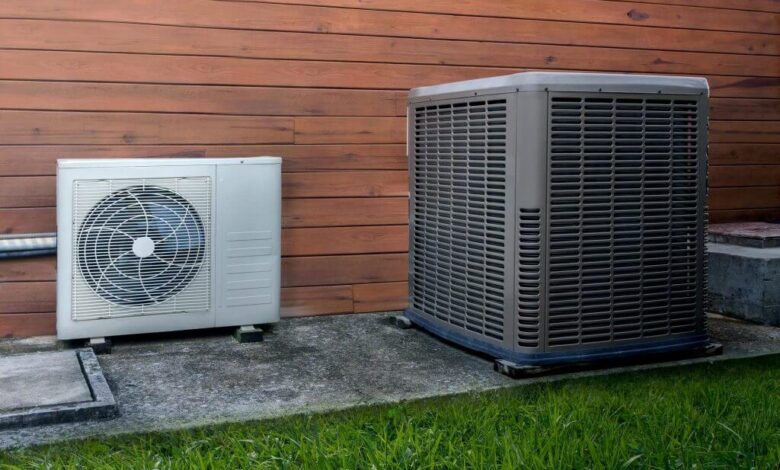
A reliable heating and cooling system helps maintain a comfortable indoor temperature throughout the year. However, changes in performance can develop gradually, making it easy to overlook early warning signs. Unusual noises, inconsistent temperatures or rising energy bills may indicate that a component needs attention before the problem becomes more disruptive.
Recognising these symptoms early can help homeowners make informed decisions about repairs, maintenance or replacement. Although some issues have simple explanations, persistent problems may require a qualified technician to investigate the cause. The same careful approach applies when planning home improvements, such as a basement conversion London, where changes to insulation, ventilation and room layout can affect indoor comfort and heating requirements.
1. Uneven Temperatures Around the Home
If some rooms feel warm while others remain cold, the system may not be distributing air effectively. Possible causes include blocked filters, restricted vents, ductwork problems, poor insulation or an incorrectly balanced system. HVAC services in Reno, NV can help identify the cause and recommend a suitable solution. Closing vents in unused rooms is not always effective, as it can interfere with the system’s intended airflow.
Start by checking that supply vents and return grilles are unobstructed and that accessible filters are clean. If temperature differences continue, a technician can assess airflow, controls and the condition of the ductwork. Homes that have undergone structural alterations may need a fresh assessment to ensure the heating and cooling system suits the revised layout.
2. Unusual Noises During Operation
Heating and cooling equipment normally produces some operating noise, but sudden or persistent changes deserve attention. Grinding, banging, rattling, squealing or repeated clicking can indicate loose components, motor problems or other mechanical faults. The precise cause depends on the equipment and the circumstances in which the noise occurs.
Avoid opening sealed equipment or attempting repairs involving electrical components, refrigerants or gas connections. If the noise is new, becomes louder or accompanies reduced performance, arrange a professional inspection. Switch the system off if you notice burning smells, smoke or signs of electrical overheating, and seek appropriate urgent assistance.
3. Energy Bills Are Increasing Unexpectedly
A noticeable rise in energy use may suggest that the system is working harder than necessary. Dirty filters, faulty thermostats, poor insulation, leaking ductwork or deteriorating components can contribute to inefficient operation. However, changes in energy tariffs, outdoor temperatures and household routines can also affect bills.
Compare consumption over similar periods rather than relying solely on the amount charged. Check thermostat settings and carry out any routine maintenance recommended by the manufacturer. If usage remains unusually high without an obvious explanation, a qualified professional can inspect the equipment and identify whether a repair or adjustment is needed.
4. Weak Airflow or Poor Ventilation
Weak airflow from vents may indicate a clogged filter, blocked duct, failing fan or another restriction. Inadequate ventilation can also leave rooms feeling stuffy, particularly when windows remain closed for long periods. These symptoms should not automatically be attributed to the heating or cooling unit itself, as building design and ventilation arrangements also influence indoor conditions.
Changes made during a basement conversion London project, for example, may affect airflow, room temperatures and ventilation requirements. Before changing equipment settings or adding new vents, consider whether the building layout has changed. A technician can assess the system’s capacity and airflow, while a suitable building professional can advise on wider ventilation requirements.
5. The System Struggles to Maintain the Set Temperature
If the thermostat setting is correct but the room never reaches the desired temperature, several issues may be responsible. These include inaccurate thermostat readings, refrigerant problems in applicable cooling systems, restricted airflow or equipment that no longer meets the property’s needs. Frequent cycling, where the system repeatedly starts and stops, can also indicate a fault.
Check that the thermostat has power, is set to the correct mode and is positioned away from direct sunlight or other obvious sources of misleading heat. If the problem persists, professional testing can help distinguish between a control issue and a mechanical fault. Avoid repeatedly resetting equipment without investigating recurring shutdowns or error messages.
6. Unpleasant Smells or Excessive Moisture
Musty smells may be associated with dampness, condensation or microbial growth around parts of the system. Burning or electrical smells are more concerning and should not be ignored. Cooling equipment can also produce condensation during normal operation, but leaks, standing water or persistent damp patches may indicate a blocked drain or another problem.
Investigate visible moisture around accessible equipment without dismantling it. Keep the surrounding area clear and arrange an inspection if dampness or unusual odours continue. If you suspect a gas leak, leave the property and contact the appropriate emergency gas service from a safe location. Do not operate electrical switches or use flames in the affected area.
7. Repairs Are Becoming More Frequent
Occasional repairs do not necessarily mean a heating or cooling system needs replacing. However, repeated breakdowns, difficulty sourcing compatible parts or persistent performance problems may justify comparing repair with replacement. The age, condition, efficiency and suitability of the equipment all matter when making that decision.
Ask the technician to explain the fault, the proposed repair and any other issues found during inspection. Compare the likely cost of continued maintenance with the longer-term cost of a replacement, including installation and running expenses. If considering HVAC services in Reno, NV, homeowners should look for appropriately qualified professionals who can explain their recommendations clearly and provide a written estimate.
Conclusion
Changes in temperature, airflow, noise, energy use or moisture can provide useful clues that a heating and cooling system needs attention. Checking accessible filters, vents and thermostat settings may resolve minor issues, but persistent faults, electrical concerns and suspected refrigerant or gas problems require appropriate professional help.
Arrange an inspection when symptoms continue or performance deteriorates. Clear explanations, written estimates and a comparison of repair and replacement options can help you choose a practical solution for your home. Regular maintenance and attention to early warning signs can also help reduce avoidable disruption and support dependable indoor comfort.


