

Transforming the Modern Kitchen into a Culinary Powerhouse: Advanced Design and Functionality Strategies

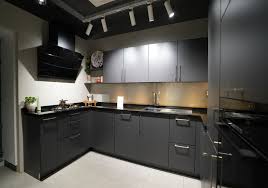
In the evolving world of home cooking, today’s kitchen is far more than a place to prepare meals. For seasoned cooks, it’s a command centre of creativity, performance, and precision. To achieve that level of refinement, you need a space designed for efficiency, comfort, and adaptability. This article explores advanced strategies to elevate your kitchen beyond the ordinary — blending professional-level performance with the warmth and soul of a true culinary space.
1. Designing the Kitchen Workflow Beyond the Classic Triangle
The traditional kitchen work triangle—linking the stove, sink, and refrigerator—once defined efficient cooking. However, modern home chefs operate with a far more complex range of tools, ingredients, and methods. The solution lies in zoning your kitchen into multiple functional areas.
Advanced workflow zones include:
-
Prep Zone: Dedicated counter space near a sink for cleaning, chopping, and marinating ingredients. Equip this area with a butcher-block surface, sharp knives, and easy access to compost or waste disposal.
-
Cooking Zone: Keep all essential utensils, oils, and seasonings within arm’s reach of the stove. Prioritize ventilation systems that eliminate odours and smoke quickly.
-
Finishing Zone: Allocate space for plating and garnishing dishes. A warming drawer or nearby oven ensures dishes stay at perfect temperature before serving.
-
Beverage & Breakfast Zone: Incorporate a secondary area for coffee machines, kettles, and quick-prep items to keep traffic out of the main cooking zone.
-
Cleaning Zone: Place dishwashers and drying racks close to the sink, with upper storage for plates and glasses to simplify the cleanup process.
Zoning creates a logical flow, preventing congestion and enhancing the rhythm of your cooking routine.
2. Intelligent Storage Solutions for Serious Home Chefs
Storage is not about having more space—it’s about smart accessibility. Every professional kitchen relies on efficiency, and that starts with how tools and ingredients are retrieved.
Key strategies for intelligent storage:
-
Vertical pull-out drawers: Use tall, narrow drawers for oils, spices, or utensils. This design ensures nothing gets lost in the back of a cabinet.
-
Lift-up cabinet doors: Replace swing doors with lift-up or bi-fold options to prevent interruptions during active cooking.
-
Integrated appliance garages: Conceal small appliances behind sliding panels, keeping counters clutter-free yet functional.
-
Knife drawers and magnetic strips: These improve safety and accessibility while extending the lifespan of your blades.
-
Corner optimization systems: Utilize pull-out trays or carousel mechanisms to maximize blind corner storage.
Efficiency in storage means less searching, less bending, and more time cooking. In a well-designed kitchen, every movement should serve a purpose.
3. Choosing Materials That Marry Beauty with Durability
For advanced home cooks, material selection goes beyond looks—it’s about resilience under pressure. Your kitchen surfaces should handle heat, spills, scratches, and time with grace.
Professional-grade material choices:
-
Countertops: Opt for quartz, stainless steel, or natural granite for longevity. Stainless steel offers antibacterial properties and is heat-resistant—ideal for heavy-duty cooking.
-
Cabinet Finishes: Matte textures resist fingerprints better than gloss. Wood veneers and stone laminates bring organic depth without compromising strength.
-
Flooring: Engineered wood or porcelain tiles are practical for their durability and water resistance while maintaining warmth.
-
Backsplash: Glass, porcelain slabs, or large-format tiles make cleaning effortless. Avoid small grout lines that trap grease.
Materials set the tone for both aesthetics and performance. A well-chosen combination gives your kitchen both elegance and endurance.
4. Integrating Smart Technology—The Right Way
Technology should simplify your culinary routine, not overcomplicate it. Advanced kitchens embrace innovation strategically to save time, conserve energy, and improve precision.
Smart integrations worth considering:
-
Induction cooktops with bridge zones: They adjust to accommodate different pan sizes and ensure uniform heat distribution.
-
Steam-combination ovens: These preserve nutrients, enhance texture, and provide versatile cooking modes.
-
Built-in food storage sensors: Smart fridges now track expiry dates and recommend recipes based on available ingredients.
-
Voice-activated lighting and temperature control: Change lighting intensity or start the oven hands-free while cooking.
-
Water filtration and touchless faucets: Enhance hygiene and taste quality with one touch or motion activation.
The secret to integrating technology effectively is balance—adopt systems that complement your habits rather than disrupt them.
5. Ergonomics and Comfort for Long Hours of Creativity
A true cook knows that the kitchen is a physical space as much as it is creative. Ergonomic design prevents fatigue and allows you to perform your best during marathon cooking sessions.
Ergonomic enhancements include:
-
Custom counter heights: Adjust surfaces to match your posture. Taller cooks may prefer slightly higher counters to prevent back strain.
-
Multi-level islands: Design different sections for chopping, kneading, and dining.
-
Anti-fatigue flooring: Cushioned mats near the stove and sink reduce leg strain during long prep hours.
-
Ample lighting: Combine overhead LEDs with under-cabinet task lights to eliminate shadows on the work surface.
-
Quiet ventilation: Choose low-decibel hoods so conversations and music remain pleasant while cooking.
Ergonomic improvements turn the kitchen into a comfortable workspace that supports focus, movement, and endurance.
6. Aesthetic Storytelling: Style Meets Function
A modern kitchen isn’t just about how it performs—it’s about how it feels. The aesthetic must tell a story of warmth, skill, and personality.
Styling elements that elevate the space:
-
Two-tone cabinetry: Mixing wood grains with painted finishes adds depth and modernity.
-
Statement lighting: Pendant lights or sculptural fixtures can act as visual anchors over an island or dining area.
-
Metallic accents: Brushed brass or copper handles pair beautifully with neutral surfaces.
-
Curated open shelving: Display only functional, beautiful items like handmade ceramics, cast iron pans, or spice jars.
-
Integrated dining extensions: Blend the cooking and dining experience for a seamless transition between prep and presentation.
A well-styled kitchen balances character with usability, ensuring it feels as inviting as it is efficient.
7. Sustainability and Future-Proofing
Sustainability is no longer an afterthought—it’s a fundamental design principle. A kitchen that minimizes waste and energy consumption aligns with the ethics of modern cooking.
Ways to make your kitchen future-ready:
-
Energy-efficient appliances: Look for induction stoves, inverter refrigerators, and A+++ energy ratings.
-
Composting systems: Install integrated bins for organic waste near the prep area.
-
Sustainable materials: Bamboo flooring, reclaimed wood cabinetry, and recycled glass countertops all contribute to eco-friendly living.
-
Water-saving faucets: Aerated taps reduce water use without affecting pressure.
-
LED lighting systems: They consume less energy and offer customizable brightness for different tasks.
Building sustainability into your design ensures your kitchen remains relevant, efficient, and responsible for years to come.
FAQs
1. What’s the best countertop for heavy-duty cooking?
Quartz and stainless steel offer the ideal mix of durability, heat resistance, and hygiene for serious cooking environments.
2. How can I prevent my kitchen from feeling cluttered despite open shelving?
Limit displayed items to practical, aesthetically cohesive pieces and use concealed storage for the rest.
3. Are smart kitchens reliable for daily use?
Yes—modern systems are designed for consistency, but always choose models with manual overrides and reliable customer support.
4. What’s the ideal kitchen lighting setup for chefs?
Layered lighting with bright, cool task illumination and warm ambient tones enhances both precision and mood.
5. How can I improve kitchen air quality naturally?
Add plants like aloe vera or herbs near windows and maintain proper ventilation through range hoods or air purifiers.
6. Which layout suits multi-cook households?
An L-shaped or U-shaped layout with distinct zones and an island offers enough workspace for simultaneous use.
7. What’s the best way to design for future adaptability?
Use modular cabinetry, replaceable surfaces, and technology-ready outlets so upgrades can be made without major renovation.


