Carpets and rugs often conceal a variety of allergens that can degrade indoor air quality over time. Common culprits like pet dander, pollen, mold spores, and dust mites settle into rug fibers, frequently triggering conditions such as allergic rhinitis or asthma attacks. These responses may manifest as sneezing fits, nasal congestion, or labored breathing. Keeping rugs in good condition is essential for minimizing these health hazards.
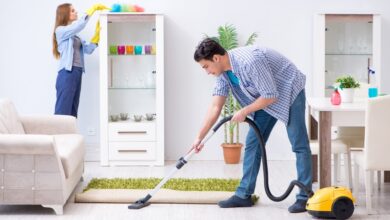
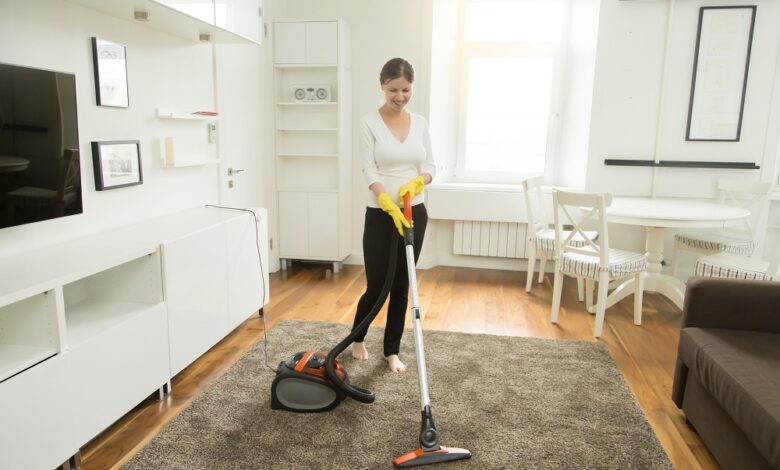
One of the easiest and most effective ways to curb allergen accumulation is through consistent vacuuming. A vacuum equipped with a HEPA filter offers added protection by trapping fine particles that conventional vacuums might release back into the room. For best results, try to vacuum a minimum of twice per week, especially in high-traffic zones or homes with pets.
Another highly effective tactic is steam cleaning, which uses high heat to kill dust mites and break down debris lodged deep in the fibers. Performing a steam clean every six months can significantly reduce allergens; however, individuals with more severe sensitivities may benefit from doing so more frequently to keep air quality in check.
Special care is needed for delicate textiles such as hand-knotted wool or antique Oriental rugs. Harsh treatments—like steam or chemical-based solutions—can damage these materials, potentially causing colors to run and natural oils to break down. To retain their integrity and appearance, it’s best to use a gentle hand-washing method with a mild, water-safe cleanser.
Recliners, especially when positioned over area rugs, can also contribute to allergen buildup. Dust, skin flakes, and pet hair often gather in upholstery crevices and eventually migrate into the carpet underneath. Cleaning recliners regularly—including the cushions, armrests, and areas beneath the chair—helps stop this gradual accumulation and keeps nearby rugs in better shape.
Controlling indoor moisture levels is another vital strategy for reducing allergens. Excess humidity fosters the growth of mold and allows dust mites to flourish. Keeping relative humidity below 50%—with the help of dehumidifiers in places like basements or bathrooms—can go a long way toward limiting these unwelcome irritants.
For a deeper level of cleanliness, hiring professionals who specialize in hypoallergenic cleaning methods can be a smart move. Having your rugs professionally treated once or twice a year enhances allergen control and promotes a cleaner living space overall.
By combining routine maintenance, gentle cleaning techniques, and humidity regulation, you can cultivate a noticeably cleaner, healthier home where allergens struggle to take hold.

Content created by David Chase Rugs & Furniture, offering premium living room recliners