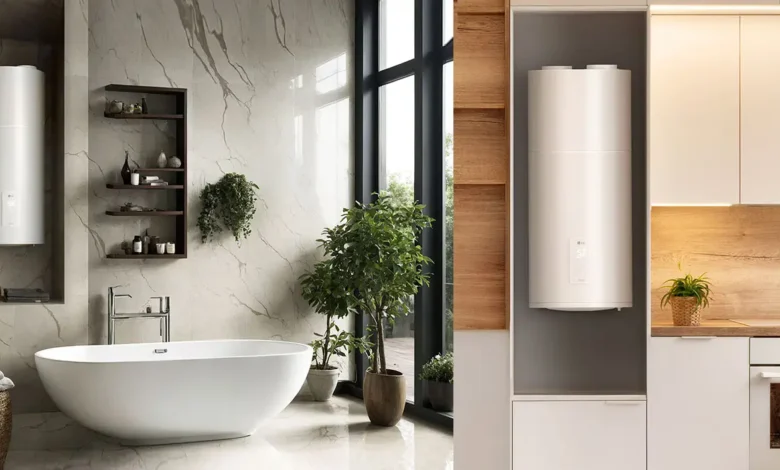
Hot water plays a central role in everyday comfort, from showers and laundry to dishwashing and cleaning. Modern water heating systems have evolved significantly, offering homeowners improved energy efficiency, faster heating performance, and better long-term reliability. Upgrading to a modern system can reduce utility bills, enhance household convenience, and increase property value while ensuring consistent hot water access throughout the year.
A professional water heater installation is often the first step toward improving home efficiency and comfort. Older units tend to consume more energy while delivering inconsistent performance, especially during peak usage hours. Modern systems, including tankless and high-efficiency storage models, are designed to provide steady hot water while reducing waste. Choosing the right system depends on household size, water usage habits, and long-term energy goals.
Understanding Modern Water Heating Options
Today’s homeowners can choose from a variety of advanced water heating technologies, each offering different benefits depending on lifestyle and efficiency priorities.
Common Hot Water Systems
Traditional storage tank water heaters remain popular due to lower upfront costs, while tankless systems provide on-demand heating with improved energy savings. Heat pump water heaters use ambient air to heat water efficiently, and solar-assisted systems integrate renewable energy for long-term cost reduction.
Key System Types Include:
- Conventional storage tank heaters
- Tankless (on-demand) water heaters
- Heat pump water heaters
- Solar water heating systems
- Hybrid electric models
Each system offers unique advantages in efficiency, installation requirements, and long-term performance.
Why Water Heater Efficiency Matters
Energy efficiency is one of the most important considerations when selecting a hot water system. Heating water accounts for a significant portion of household energy use, making upgrades a smart investment.
Benefits of High-Efficiency Systems
Modern units reduce standby heat loss, optimize energy consumption, and provide consistent temperature control. These improvements not only lower monthly utility bills but also reduce environmental impact by minimizing energy waste.
Homeowners considering water heater installation often notice immediate improvements in both performance and cost savings after upgrading to energy-efficient systems. Over time, reduced maintenance needs and longer equipment lifespan add additional financial benefits.
Choosing the Right Size and Capacity
Proper sizing is essential for ensuring consistent hot water availability. A system that is too small may struggle to meet household demand, while an oversized unit may waste energy.
Factors That Influence Sizing
Household size, number of bathrooms, peak usage times, and appliance demand all affect water heater capacity requirements. Professional evaluation ensures the selected system aligns with daily usage patterns and long-term comfort needs.
Important Sizing Considerations:
- Number of household occupants
- Simultaneous water usage
- Peak demand periods
- Appliance water requirements
- Flow rate for tankless systems
- Recovery rate for storage tanks
Correct sizing helps maintain comfort while improving energy efficiency.
Installation Quality Affects Long-Term Performance
Even the best water heating system will underperform if installed incorrectly. Proper installation ensures safety, efficiency, and system longevity.
What Professional Installation Includes
Certified technicians evaluate plumbing connections, ventilation systems, electrical requirements, and safety controls. They also verify pressure levels and ensure compliance with local building standards.
A proper water heater installation helps prevent leaks, pressure issues, and energy inefficiencies while ensuring reliable long-term operation. Incorrect installation can shorten system lifespan and increase repair costs significantly.
Energy-Saving Features in Modern Water Heaters
Modern water heating systems include advanced features that improve efficiency and reduce waste.
Smart Efficiency Technologies
Many new systems feature programmable thermostats, insulation improvements, and smart controls that allow homeowners to monitor and adjust usage patterns. Tankless systems heat water only when needed, eliminating standby energy loss.
Benefits of Energy-Saving Features:
- Lower monthly utility bills
- Reduced energy waste
- Faster hot water delivery
- Improved temperature consistency
- Enhanced system lifespan
- Reduced environmental impact
These features help homeowners achieve better performance with less energy consumption.
Maintenance Improves System Lifespan
Routine maintenance is essential for keeping water heating systems operating efficiently over time. Even modern systems require periodic care to maintain performance.
Key Maintenance Practices
Flushing the tank to remove sediment, inspecting heating elements, checking pressure relief valves, and monitoring temperature settings can help extend system lifespan and maintain energy efficiency.
Helpful Maintenance Tips:
- Flush tank annually
- Inspect for leaks regularly
- Test safety valves
- Monitor water temperature settings
- Check anode rod condition
- Schedule professional inspections
Preventative maintenance reduces unexpected breakdowns and improves long-term system reliability.
How Hot Water Systems Affect Home Value
Upgrading to a modern water heating system can increase property value and appeal to potential buyers. Energy-efficient systems are often seen as a desirable home feature.
Why Buyers Value Modern Systems
Efficient hot water systems reduce operating costs and provide dependable performance, which adds convenience and long-term savings for future homeowners. A professionally installed system can also indicate proper home maintenance and care.
Environmental Benefits of Modern Water Heating
Energy-efficient water heating systems contribute to reduced household emissions and lower environmental impact. By using less energy to produce the same level of hot water, these systems help conserve natural resources.
Sustainable Water Heating Advantages
Tankless and heat pump systems are especially effective at reducing energy consumption, making them strong choices for eco-conscious homeowners. Solar-assisted systems further reduce reliance on traditional energy sources.
Common Signs It’s Time to Upgrade
Older water heaters often show warning signs before failing completely. Recognizing these signs early can prevent unexpected breakdowns and water damage.
Warning Indicators Include:
- Inconsistent water temperature
- Rust-colored water
- Strange noises from the tank
- Reduced hot water supply
- Frequent repairs
- Rising energy bills
If these issues appear, a system upgrade may be more cost-effective than continued repairs.
Conclusion
Modern hot water systems offer significant improvements in comfort, energy efficiency, and long-term home value. Choosing the right system, ensuring proper sizing, and investing in professional installation are key steps toward reliable performance. Regular maintenance further extends system lifespan while reducing energy costs. Whether upgrading from an older unit or installing a new system, homeowners benefit from improved efficiency, consistent hot water, and lower utility expenses. A well-planned water heating solution supports both everyday comfort and long-term financial savings.