Living in the city often means balancing convenience with stress, and Promenade Peak offers a solution that prioritizes wellness without compromising urban accessibility. Designed for residents seeking both comfort and rejuvenation, this development integrates modern architecture, natural elements, and premium amenities to create a home where wellness is part of everyday life.
Architecture That Promotes Calm
Promenade Peak’s architectural design emphasizes openness and serenity. Spacious layouts, abundant natural light, and thoughtful ventilation create a home environment that supports mental and physical wellbeing. Every design choice, from room orientation to building structure, is intended to enhance comfort and reduce stress.
Interiors That Nurture Relaxation
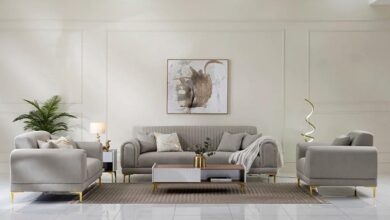
Inside, interiors are crafted to provide a calm and restorative atmosphere. Neutral color schemes, natural materials, and uncluttered layouts create a sense of peace. Bedrooms, living areas, and kitchens are designed for comfort and practicality, making it easy for residents to unwind and recharge after a busy day.
Amenities Designed for Wellness
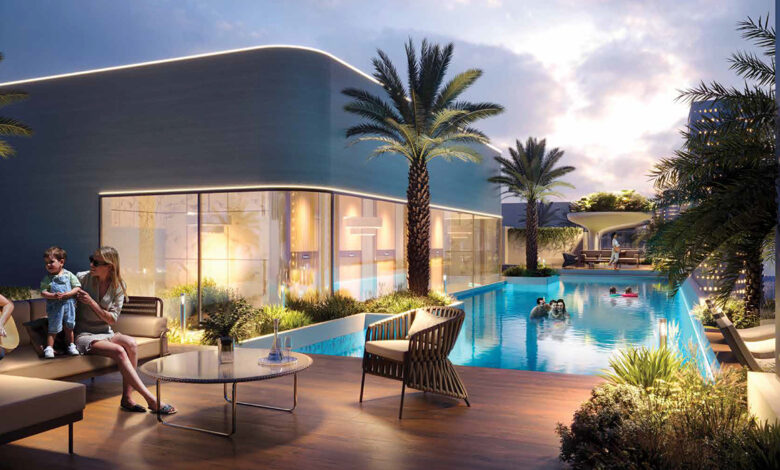
Promenade Peak features amenities that cater to both physical and mental health. Fitness centers, yoga decks, meditation spaces, swimming pools, and landscaped gardens encourage an active and balanced lifestyle. Residents can seamlessly integrate exercise, relaxation, and social interaction into their daily routines.
Nature-Integrated Living Spaces
Biophilic elements are central to the development. Green terraces, courtyards, and water features create a natural, soothing environment that connects residents to nature. Walking paths and outdoor seating areas provide spaces for reflection, fresh air, and stress relief, enhancing overall wellbeing.
Private Retreats Within the Home
Promenade Peak offers private spaces where residents can enjoy quiet moments. Balconies, terraces, and soundproofed rooms serve as personal retreats, supporting meditation, reading, or relaxation. These private areas foster mental clarity and provide a break from urban life, promoting holistic wellness.
Smart Technology for Effortless Living
Smart home features enhance convenience and reduce daily stress. Residents can control lighting, temperature, and security through automated systems, while energy-efficient solutions lower utility costs. These modern conveniences make life seamless and support a healthy, balanced lifestyle.
Family-Centric Wellness
Promenade Peak is designed with families in mind. Safe play areas, green spaces, and communal zones allow children to explore and enjoy outdoor activities, while adults benefit from wellness-focused amenities and private spaces. The development creates a balanced environment where every family member can thrive.
Sustainable Design for Health and Comfort
Sustainability is a key aspect of Promenade Peak. Energy-efficient systems, eco-friendly materials, and landscaped green spaces reduce environmental impact while improving air quality and comfort. Residents enjoy a healthy living environment that supports long-term wellness and environmental responsibility.
Community That Encourages Wellbeing
A supportive and like-minded community enhances the wellness experience. Promenade Peak encourages social interaction through shared gardens, activity zones, and communal spaces, while maintaining private retreats. Residents enjoy meaningful engagement and a sense of belonging, contributing to emotional and social wellbeing.
Luxury That Enhances Daily Life
Luxury at Promenade Peak is both elegant and restorative. High-quality materials, ergonomic layouts, and thoughtfully curated spaces create a refined and comfortable home. Every element is designed to support wellness, turning daily life into a rejuvenating experience.
A Balanced Lifestyle in the City
Promenade Peak reimagines urban living as a restorative experience — blending comfort, nature, and wellbeing into one seamless lifestyle. Residents enjoy the best of city convenience while staying connected to what truly matters: balance, health, and harmony. Learn more about how this vision comes to life at Tranquil Horizons: The Lifestyle Advantage of Promenade Peak.