

The Psychology of Bedroom Design: How Subtle Aesthetics Influence Sleep, Mood, and Relationships

Introduction
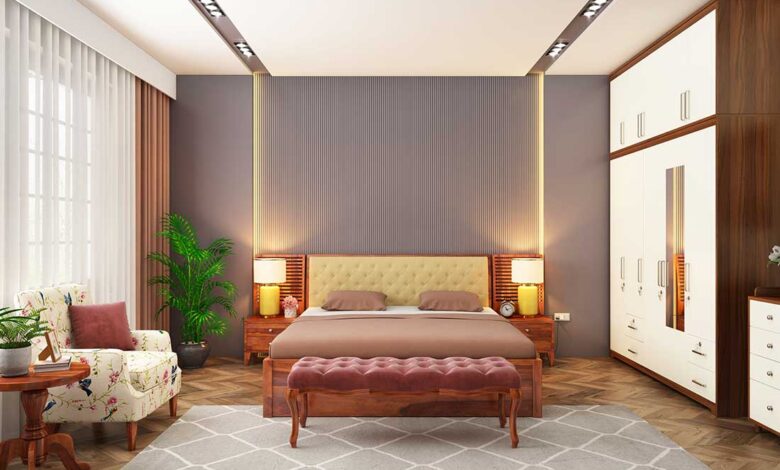
A bedroom is more than a sleeping area—it’s the emotional and sensory core of a home. The way it’s designed directly influences how you sleep, think, and connect with others. Beyond furniture and color schemes lies a powerful psychology that dictates how you feel the moment you step inside. Every detail—light, scent, layout, and texture—communicates silently with your mind and body. Understanding this connection can turn a bedroom into a space that nourishes peace, intimacy, and emotional balance.
1. The Science of Sleep and Environmental Influence
Your bedroom should signal your body to rest the moment you enter. Light, temperature, and sound all play crucial roles in regulating sleep patterns. Subtle adjustments can dramatically improve rest quality without major remodeling.
Light and Circadian Rhythms
Lighting determines how your body perceives time. Natural light during the day keeps your circadian rhythm aligned, while warm, dim light at night helps your body wind down. Avoid harsh overhead fixtures that mimic daylight. Instead, layer your lighting with lamps, sconces, and indirect sources that create a gentle ambiance. Smart bulbs that shift color temperatures automatically can be game changers for nighttime relaxation. Blackout curtains or motorized blinds are another worthwhile investment—they block artificial light and help sustain deep sleep.
Temperature and Thermal Comfort
The ideal sleeping temperature is between 60–67°F (15–19°C). Cooler temperatures signal your body that it’s time to rest. Choose breathable fabrics like cotton or linen, and avoid overly dense bedding that traps heat. If you live in a humid region, a dehumidifier can help balance air quality and comfort, preventing that sticky feeling that disrupts rest.
Sound and Sensory Tranquility
Noise pollution can trigger subconscious stress. Integrate white noise machines, acoustic panels, or thick area rugs to absorb disruptive sounds. For city apartments, layered drapery and upholstered headboards reduce echo and soften sharp noises. If total silence feels uncomfortable, a steady hum or nature-inspired sounds like rain or waves can act as auditory cues for sleep.
2. Emotional Design: How Color and Texture Affect Your Mood
Color psychology isn’t a myth—it’s a measurable influence on emotions. Choosing bedroom colors strategically can either calm your mind or stimulate unwanted energy.
Color Psychology in Practice
-
Blue hues: Encourage relaxation and reduce heart rate, ideal for sleep-centric spaces.
-
Soft greens: Evoke balance, growth, and renewal, making them perfect for bedrooms that double as morning retreat zones.
-
Earth tones: Shades of taupe, beige, and clay provide grounded warmth, reinforcing emotional stability.
-
Avoid high-saturation reds and yellows: These increase energy levels and may cause restlessness.
Combine matte wall finishes with textured décor elements like linen curtains or wool throws to introduce tactile variety that subconsciously promotes comfort and depth.
Texture and Touch
Human psychology responds to texture as much as color. Incorporate soft, organic materials that invite touch—think velvet pillows, knitted throws, and smooth wood finishes. A contrast of surfaces—soft rugs underfoot, crisp sheets, and plush headboards—keeps the room sensorially balanced. This variety helps your body relax faster, reducing mental clutter.
3. The Role of Layout and Spatial Flow
The way your furniture is arranged affects more than functionality—it shapes the room’s emotional flow. A poorly arranged bedroom can make you feel unsettled without you realizing why.
Bed Position and Psychological Security
Your bed’s placement determines how safe and grounded you feel while resting. According to design psychology principles:
-
Position the bed where you can see the door without being directly in line with it. This creates a subconscious sense of control.
-
Avoid placing the headboard under a window; this can create a feeling of exposure.
-
Leave balanced space on both sides of the bed to promote emotional equality between partners.
Decluttering as a Cognitive Reset
A cluttered bedroom is a visual representation of mental chaos. Limit visible items to essentials, and keep décor intentional. Storage solutions like under-bed drawers or floating shelves preserve space without disrupting aesthetics. The goal is to create psychological quiet—a setting that visually breathes.
4. Lighting Layers and Emotional Warmth
Lighting influences hormones, emotions, and perception. Layered lighting adds not just visual interest but also functional flexibility for different moods.
-
Ambient lighting: General illumination that defines the room’s overall feel.
-
Task lighting: Focused sources for reading or dressing.
-
Accent lighting: Soft, artistic highlights that enhance intimacy and atmosphere.
Install dimmers to transition effortlessly from alertness to calm. Candlelight or LED candles introduce an ancient sense of stillness—symbolic of safety and serenity. Avoid cold-toned LED bulbs that mimic daylight; instead, use warmer tones below 3000K.
5. The Scent and Sound of Serenity
Fragrance affects memory, emotion, and even blood pressure. A bedroom with subtle aromatherapy cues can condition your body for rest.
-
Lavender: Proven to reduce anxiety and heart rate.
-
Sandalwood: Deeply grounding and sensual, enhancing intimacy.
-
Chamomile or cedar: Calm the nervous system, ideal for unwinding before bed.
Pair scent with sound for multisensory harmony. Gentle playlists, soft ambient tones, or wind chimes outside a window can subconsciously tell your body it’s time to disconnect from external stressors.
6. Designing for Emotional Connection and Intimacy
Bedrooms also serve as the center of emotional bonding. Design choices that promote comfort and connection can subtly enhance relationships.
-
Symmetry in décor (matching lamps, balanced nightstands) fosters subconscious feelings of equality and stability.
-
Soft perimeter lighting enhances intimacy without creating visual harshness.
-
Shared sensory elements, like joint artwork or meaningful photos, personalize the space emotionally.
Avoid overly digital environments—TVs and screens distract from connection and disrupt melatonin levels. Create a “digital-free zone” to preserve emotional presence.
7. Integrating Nature for Emotional Balance
Biophilic design—integrating nature into interior spaces—has measurable mental health benefits. Natural materials, living plants, and organic forms can improve focus and reduce stress.
-
Add potted greenery such as peace lilies or snake plants to purify the air.
-
Use natural materials like jute rugs or oak side tables to introduce earthy tones.
-
Maximize natural light with reflective surfaces that amplify daylight.
Even small touches, like wooden frames or woven baskets, bring nature’s calming rhythm indoors.
8. Personalization and Ritual
A truly restorative bedroom isn’t just beautiful—it reflects your personal rhythm. Introduce meaningful rituals and design cues that align with your lifestyle.
-
Keep a small reading nook for evening reflection.
-
Use color schemes that resonate with your emotional goals—warm for comfort, cool for focus.
-
Designate a small area for meditation or journaling to strengthen emotional grounding.
Personal touches—like scent, lighting routine, and artwork—transform the space into a sanctuary that reinforces self-care habits.
Conclusion
Bedroom design isn’t simply about aesthetics—it’s about psychology. Each sensory element communicates with your subconscious, influencing how deeply you rest, how calmly you wake, and how connected you feel. When your bedroom reflects psychological balance, it becomes a living expression of inner harmony.
FAQs
1. How can I make my bedroom feel more emotionally balanced without major renovations?
Focus on small changes—adjust lighting warmth, declutter surfaces, and introduce soft textures or calming scents.
2. What is the best color for improving both sleep and mood?
Soft blues and muted greens balance tranquility with renewal, promoting both rest and positivity.
3. How does lighting affect mental health in bedrooms?
Improper lighting disrupts circadian rhythm and melatonin production. Warm, dimmable lighting supports emotional calmness.
4. Are digital devices really harmful in bedrooms?
Yes. Blue light suppresses melatonin, and digital clutter prevents mental separation from work or stress.
5. Can bedroom scents really improve sleep?
Absolutely. Aromas like lavender and sandalwood lower stress hormones and cue the brain to relax.
6. What’s the psychological benefit of symmetry in bedroom design?
Symmetry creates a subconscious sense of order, safety, and emotional equality—especially beneficial for shared spaces.
7. How can I create a luxury feel without overspending?
Layer textures, use strategic lighting, and invest in high-quality bedding. Small upgrades in sensory comfort create a premium experience.
