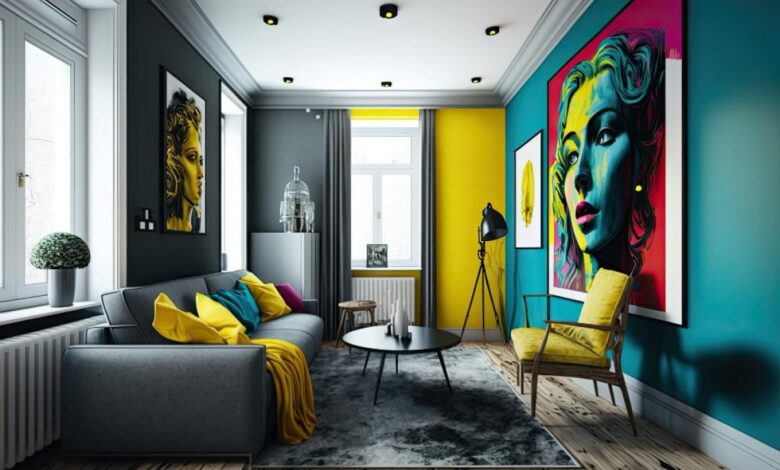
Choosing paint colours for walls is never just about picking a shade from a catalogue. The same colour can look completely different depending on how light interacts with it. This is where lighting psychology comes into play. It influences how people perceive colours, how spaces feel, and even how moods shift within a room.
Understanding this relationship helps homeowners make smarter choices when planning interior paint and creating the perfect living room colour combination.
Why Lighting Plays a Bigger Role Than You Think
Light affects colour in two key ways: intensity and temperature. Natural daylight changes throughout the day, while artificial lighting adds another layer of variation. A soft beige might look warm and inviting in the morning sun but appear slightly dull under cool LED lights at night.
Designers often study how light behaves in a room before finalising paint colours for walls. A north-facing room with limited sunlight benefits from warmer tones, while a bright, sunlit room can handle cooler shades with ease.
Lighting does not just illuminate colour. It reshapes it.
Natural Light vs Artificial Light
Natural light is dynamic. It shifts from warm tones during sunrise to neutral midday light and then to golden hues in the evening. This constant change makes colours appear alive and evolving.
Artificial lighting, on the other hand, stays consistent but varies in type:
- Warm white lights enhance earthy and cozy tones
- Cool white lights sharpen modern shades like greys and blues
- Neutral lighting keeps colours closer to their original form
When selecting interior paint, it is important to test how the shade looks under both natural and artificial lighting conditions.
How Lighting Psychology Influences Colour Perception
Lighting psychology focuses on how light and colour together impact human emotions and spatial perception. A well-lit room with the right colour palette can feel spacious, calm, and welcoming.
For example:
- Soft whites and creams under warm lighting create a relaxed atmosphere
- Blues and greens under natural light feel fresh and balanced
- Deep tones like navy or charcoal look rich and elegant under focused lighting
This is why a living room colour combination should always consider how the space is used throughout the day.
Choosing Paint Colours for Walls Based on Room Orientation
Room direction plays a major role in how colours appear.
North-facing rooms
These spaces receive cooler, indirect light. Warmer paint colours for walls such as soft yellows, warm beiges, or muted peach tones help balance the coolness.
South-facing rooms
These rooms enjoy abundant sunlight. Homeowners can experiment with cooler tones like greys, blues, or even pastel greens without losing warmth.
East-facing rooms
Morning light is bright and warm. Light neutrals and soft pastels work well here, creating a fresh start to the day.
West-facing rooms
Evening light adds warmth. Richer shades like terracotta, dusty pink, or warm greys enhance the glow beautifully.
Creating the Right Living Room Colour Combination
The living room often serves multiple purposes. It is a place to relax, entertain, and spend time with family. Lighting changes throughout the day in this space, so colour selection needs to be flexible.
A balanced living room colour combination includes:
- A base colour for walls that adapts well to changing light
- An accent colour that adds personality
- Complementary tones in furniture and décor
For example, pairing a soft neutral wall with deeper accent shades like olive green or navy blue creates depth without overwhelming the space. Under warm lighting, this combination feels cozy. Under natural light, it feels fresh and open.
The Role of Finishes in Light Reflection
The finish of interior paint also affects how light interacts with colour.
- Matte finishes absorb light, giving a soft and subtle look
- Satin and eggshell finishes reflect a bit of light, adding a gentle glow
- Glossy finishes reflect more light and make colours appear brighter
In spaces with limited light, slightly reflective finishes can enhance brightness. In well-lit rooms, matte finishes create a calm and elegant feel.
Simple Tips to Get Colours Right Every Time
Professionals often follow a few practical steps before finalising colours:
- Test paint samples on different walls
- Observe the colour at different times of the day
- Check how it looks under artificial lighting at night
- Pair colours with existing furniture and flooring
These small steps help avoid surprises and ensure the final result matches expectations.
Bringing It All Together
Lighting psychology transforms the way paint colours for walls behave in a home. It shapes not just the look of a room, but also how it feels and functions. By understanding how natural and artificial light interact with colour, homeowners can make more confident choices.
A well-planned interior paint strategy, combined with thoughtful lighting, creates spaces that feel balanced, comfortable, and visually appealing throughout the day. Whether selecting a subtle neutral or designing a bold living room colour combination, the secret always lies in how light brings those colours to life.