

Introduction
Clean air is essential for maintaining a healthy, comfortable indoor environment. Whether at home or in a workplace, poor air quality can lead to respiratory issues, allergies, fatigue, and other health concerns. One of the most effective—and often overlooked—ways to enhance indoor air quality is through proper air conditioning (AC) maintenance.
Your AC system doesn’t just cool the air; it filters, circulates, and regulates the airflow throughout your property. However, when filters are clogged, ducts are dirty, or components are poorly maintained, your air conditioning unit can actually circulate dust, allergens, and pollutants. Regular AC maintenance ensures that your system functions efficiently, providing cleaner, healthier air for everyone inside.
With the right upkeep practices, you can reduce airborne contaminants, control humidity, and even extend your AC system’s lifespan—all while improving comfort and energy efficiency. This guide explores how proper air conditioning maintenance contributes to better indoor air quality and why it’s essential for your home or business.
1. The Connection Between AC Maintenance and Air Quality
Your AC system functions like the lungs of your home, constantly drawing in and redistributing air. When dust, pollen, or pet dander build up inside, those contaminants are circulated back into your indoor environment. Regular maintenance helps prevent this by keeping components clean and ensuring filters perform effectively.
Air conditioning cleaning in Brisbane improves airflow and stops pollutants from accumulating. This means fewer allergens, less mould growth, and cleaner, fresher air every time your system runs.
2. Clean or Replace Filters Regularly
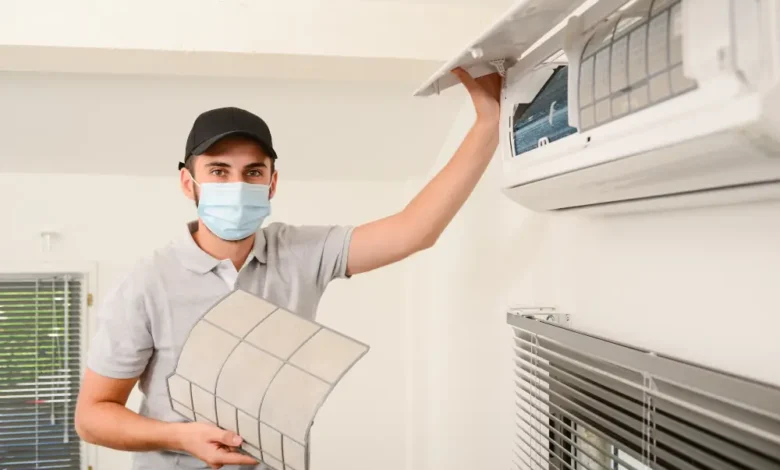
Cleaning or replacing air filters is the simplest and most effective maintenance task for improving air quality. Filters trap airborne particles such as dust, dirt, and allergens — but when they clog, airflow weakens and pollutants slip through.
It’s best to check filters every one to three months. Homes with pets, smokers, or high dust levels may need more frequent changes. Investing in high-efficiency particulate air (HEPA) or electrostatic filters can enhance filtration and reduce airborne irritants.
3. Keep Air Ducts Clean
Even with clean filters, dirty air ducts can spread contaminants throughout your home or office. Dust, bacteria, and even mould can accumulate inside ductwork, especially in humid areas. When the AC runs, these particles are pushed back into the air.
Scheduling professional duct cleaning helps remove buildup and restore efficient airflow. Clean ducts not only promote better air quality but also help your system run more efficiently, lowering energy use.
4. Inspect and Clean Coils and Drain Pans
Your AC’s evaporator and condenser coils collect dust and moisture, which can encourage mould growth. Likewise, a clogged drain pan can hold stagnant water that harbours bacteria.
During maintenance, technicians clean these components and clear blockages in the drain lines. This prevents odours, mould spores, and contaminants from spreading, ensuring your system continues to deliver clean air and run efficiently.
5. Manage Indoor Humidity Levels
Excessive humidity contributes to mould, musty smells, and discomfort. A well-maintained AC unit regulates humidity by removing moisture from the air as it cools.
If humidity feels high indoors, your AC might have dirty coils, a blocked drain, or be incorrectly sized. Regular servicing keeps humidity in check, creating a comfortable and healthier indoor environment.
6. Replace or Upgrade Older Systems
Older air conditioning systems often struggle to filter air effectively. Over time, internal wear, outdated components, and reduced efficiency can cause more pollutants to circulate indoors.
If your system is more than 10–15 years old, consider upgrading to a newer, energy-efficient model. Modern AC units often come with advanced filtration, UV sterilisation, or air purification technology designed to eliminate airborne irritants and improve overall air quality.
7. Schedule Professional Maintenance Annually
While cleaning filters and vents can be handled at home, a professional technician should inspect your AC system at least once a year. They’ll identify issues like refrigerant leaks, damaged parts, or airflow problems before they become serious.
An annual maintenance check ensures the system operates at peak efficiency, preventing breakdowns and keeping the air clean. It’s particularly important to book servicing before summer, when AC systems work hardest.
8. Ensure Proper Ventilation
Even a well-maintained AC system benefits from good ventilation. Without it, indoor air becomes stale and can trap volatile organic compounds (VOCs) from cleaning supplies, paint, or furniture.
Open windows periodically to allow fresh air to circulate, or install a mechanical ventilation system that works alongside your AC. This keeps oxygen levels balanced and prevents the buildup of harmful indoor pollutants.
9. Consider Air Purification Add-Ons
If you live in a high-pollution area or struggle with allergies, air purifiers can be a valuable addition. Portable air purifiers or integrated systems using UV light or ionisation can help remove bacteria, smoke, and fine particles your AC filter may miss.
Many new AC models now include built-in air purification features. Discussing your options with an HVAC technician ensures you choose a system suited to your air quality needs and budget.
10. The Benefits of Regular AC Maintenance
Routine AC maintenance delivers benefits beyond clean air—it also improves energy efficiency, reduces breakdowns, and extends the life of your system. By ensuring all parts operate smoothly, your unit consumes less energy and maintains consistent performance.
Improved air quality means fewer allergy symptoms, less dust buildup on surfaces, and a more comfortable atmosphere for everyone inside. Businesses benefit too—studies show that cleaner indoor air can improve employee productivity, reduce sick days, and create a more welcoming environment for clients or visitors. Investing in maintenance today translates to better health and lower costs tomorrow.
Conclusion
Proper AC maintenance is one of the most effective ways to improve indoor air quality and ensure a healthy, comfortable environment. By cleaning filters, servicing ducts, managing humidity, and scheduling annual check-ups, you can prevent pollutants and allergens from circulating through your home or business.
A well-maintained system doesn’t just cool the air — it protects your health, saves energy, and enhances overall comfort. Investing a little time and care into AC upkeep means cleaner air, better performance, and peace of mind all year round.


