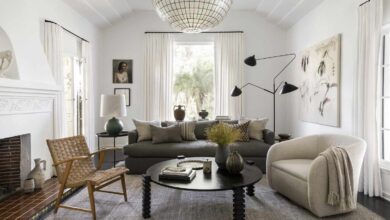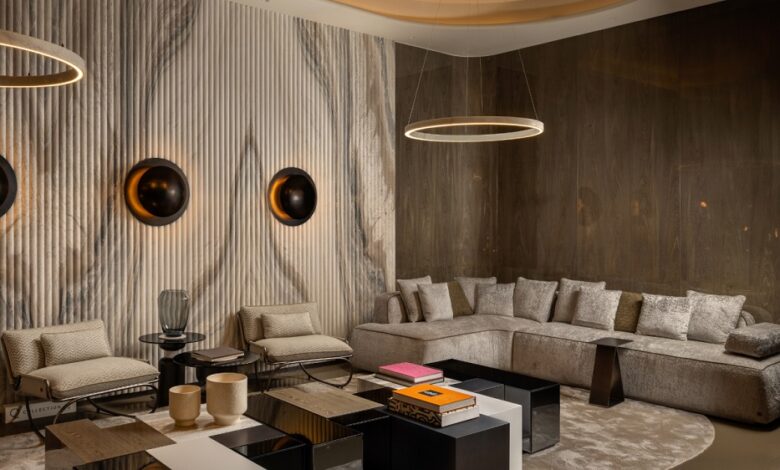
Entering a truly memorable room is rarely about cataloging every single piece of furniture. More often, the human eye is instantly drawn to one distinct, magnetic element that commands attention, sparks curiosity, and establishes the mood for the entire environment. This defining element is the statement piece. Without one, even the most carefully coordinated rooms can feel flat, predictable, and devoid of personality, resembling a generic showroom rather than an authentic home.
A statement piece serves as the anchor of an interior design plan. It introduces intentional visual tension, breaks up monotony, and provides a clear narrative for the surrounding space. Far from being an eccentric design choice or an expensive luxury, selecting and positioning a statement piece is a foundational technique that designers use to give architecture scale, purpose, and enduring character.
The Psychological Impact of a Focal Anchor
The human brain instinctively seeks order and hierarchy when processing visual environments. When a room contains too many competing objects of identical size and color, the eye darts around restlessly, creating a subtle sensation of visual fatigue. Conversely, when every element is subdued and neutral, the space risks feeling sterile and uninviting.
A well-chosen statement piece resolves this imbalance by acting as a deliberate visual anchor:
-
Directing Visual Flow: It gives the eye an immediate, intuitive place to land upon crossing the threshold, organizing how a person moves through and perceives the room.
-
Reflecting Personal Identity: A statement piece tells a clear story about the homeowner, whether through a rare antique, an expressive painting, or a bold architectural light fixture.
-
Creating Conversational Energy: Distinctive pieces act as natural conversation starters, offering a visual detail that invites observation and engagement from guests.
Categories of Statement Pieces That Redefine a Room
A statement piece does not need to follow a rigid formula. Depending on the architecture, lighting, and layout of a home, impactful focal points can emerge across several distinct design categories.
Large-Scale and Expressive Artwork
Oversized fine art remains one of the most direct and versatile ways to anchor an interior:
-
Scale and Proportion: A single massive canvas measuring five to six feet across creates far more emotional impact than a busy gallery wall of smaller frames. It expands perceived wall height and creates clean, confident margins.
-
Color Anchoring: The color palette within a bold painting or textile wall hanging often provides the foundational palette for the entire room, informing the choices of upholstery, drapery, and accent rugs.
-
Mood Setting: A textured, abstract canvas in earthy pigments brings warmth and tactile richness to a contemporary room, whereas a moody, classical landscape introduces history and gravitas to an otherwise modern setting.
Sculptural and Distinctive Furniture
Furniture pieces can transcend their purely utilitarian roles to function as functional sculptures:
-
The Dramatic Accent Chair: A sculptural lounge chair upholstered in high-contrast velvet, tailored bouclé, or rich saddle leather provides a striking counterpoint to a clean-lined neutral sofa.
-
Architectural Dining Tables: A dining table featuring a raw live-edge timber slab, an oversized fluted pedestal base, or a solid carved marble top establishes a dramatic centerpiece that demands minimal supplementary decor.
-
Heirloom and Vintage Storage: Placing an intricately carved antique armoire, a patinated apothecary cabinet, or a mid-century credenza against a crisp, modern wall creates instant architectural character that mass-produced cabinetry cannot match.
Dramatic and Oversized Lighting Fixtures
Lighting is often described as the jewelry of the home, but an extraordinary fixture can redefine the volume of an entire room:
-
Sculptural Chandeliers: An oversized brass branch fixture, a hand-blown smoky glass orb cluster, or an expansive woven paper pendant commands the upper third of a room, drawing the eye upward toward high ceilings.
-
Dramatic Floor Lamps: An oversized arched floor lamp curving gracefully over a seating area introduces a sweeping architectural line that visually links seating with ambient airspace.
-
Scale Mastery: In dining rooms and entry foyers, choosing a fixture that is slightly larger than standard guidelines creates an intentional, gallery-like presence that transforms routine illumination into an art installation.
Bold Accent Surfaces and Architectural Finishes
Focal points are not restricted to movable furniture and decor; they can be integrated directly into the structural surfaces of the room:
-
Saturated Accent Walls and Mural Wallpapers: A single wall wrapped in scenic panoramic wallpaper or finished in a deep jewel tone like emerald green, deep ochre, or moody charcoal instantly alters spatial perception.
-
Monolithic Fireplace Surrounds: Running floor-to-ceiling bookmatched marble slabs, rough-cut river stone, or blackened steel sheets around a fireplace turns a simple hearth into a commanding architectural centerpiece.
-
Dramatic Ceilings: Treating the ceiling, often referred to as the fifth wall, with lacquered high-gloss paint, exposed timber beams, or graphic wallpaper shifts attention upward, accentuating room volume.
Rules for Balancing a Statement Piece
The power of a statement piece relies entirely on its context. If every piece of furniture screams for attention, the room devolves into visual chaos. Successfully highlighting a hero piece requires discipline, restraint, and an understanding of supportive design.
Embracing the Role of Supporting Elements
Just as an actor needs a supporting cast, a statement piece requires quiet companion pieces that allow it to stand out without distraction:
-
Neutral Backdrops: Position bold, colorful, or highly detailed pieces against quiet walls, neutral area rugs, and understated flooring to let their contours breathe.
-
Textural Restraint: When highlighting a heavily textured statement piece, such as a rough stone coffee table or a thick shaggy wall hanging, keep adjacent upholstery smooth and tailored to prevent tactile overload.
-
Sightline Management: Ensure that sightlines toward the focal point remain open. Do not block views of a sculptural fireplace or an art canvas with tall plants, high-backed chairs, or cluttered side tables.
Maintaining Spatial Proportion and Scale
A statement piece must belong to the room physically, even while it stands out aesthetically:
-
Avoid Overwhelming Small Rooms: In a compact room, a massive sectional sofa can choke walkways and make the space feel cramped rather than deliberate. A better statement choice for a smaller space is a dramatic ceiling pendant or a bold accent chair with slender legs that reveal the floor.
-
Avoid Under-Sizing in Cavernous Spaces: In high-ceilinged open-concept lofts, a small thirty-inch painting or a modest table lamp gets lost in the expansive volume. Select pieces with substantial physical presence and height to match the architectural scale.
A statement piece is the heartbeat of a thoughtfully designed interior. By selecting a focal anchor that speaks to your aesthetic values, whether an oversized abstract canvas, an architectural chandelier, or an antique credenza, you introduce narrative, scale, and intention into your living space. When framed with restraint and supported by quiet design fundamentals, a single transformative piece elevates an ordinary room into an unforgettable sanctuary.
Frequently Asked Questions
Can a single room successfully feature more than one statement piece?
While standard design wisdom suggests sticking to one primary statement piece per space, large rooms or open-concept floor plans can occasionally accommodate two, provided they belong to completely different visual categories and do not compete on the same sightline. For example, a dramatic overhead chandelier hanging high in the room can pair harmoniously with a distinctive sculptural coffee table seated low to the ground. However, pairing two competing wall-mounted art pieces or two contrasting bold accent chairs in the same zone often creates visual confusion.
How do you prevent a bold statement piece from feeling disconnected from the rest of the room?
Connect the statement piece to the surrounding decor by establishing subtle visual echoes throughout the space. If you introduce a vibrant cobalt blue armchair, weave tiny touches of that same blue into the spine of a coffee table book, a ceramic vase on a shelf, or a subtle thread running through a neutral throw blanket. These subtle reflections make the statement piece feel like an intentional part of the overarching design rather than an accidental addition.
What is the best way to choose a statement piece when working with an open-concept layout?
In an open-concept living and dining area, use the statement piece to visually define distinct functional zones. A large, dramatic dining room pendant light can anchor the eating area, signaling where dining begins without requiring physical partitions. Alternatively, an expansive floor-to-ceiling media console or an oversized living room area rug can define the primary conversation zone while maintaining unobstructed flow between adjacent rooms.
Can a statement piece be entirely neutral in color?
Yes. A statement piece does not require vivid, saturated colors to command attention. High-impact focal points frequently rely entirely on dramatic scale, unexpected texture, or architectural geometry. A massive, textured white plaster sculpture, a monolithic honed black granite coffee table, or an intricately carved natural oak armoire commands substantial visual authority within a room while remaining completely neutral in tone.
How can renters introduce a statement piece without altering walls or fixtures permanently?
Renters can make powerful statements using movable, non-invasive furnishings and decor. An oversized leaning floor mirror with an ornate or modern frame reflects light, expands perceived room depth, and requires no wall anchors. High-impact freestanding elements like an architectural floor lamp, an extraordinary sculptural room divider screen, or an expansive, colorful area rug completely transform a rental without risking security deposits.
How do you refresh the styling around a statement piece across different seasons?
Keep the statement piece fixed while rotating lightweight, inexpensive accent layers around it as the seasons shift. For a bold leather accent chair, swap a heavy wool throw blanket and dark velvet pillow during the winter months for a breezy linen throw and a textured cream cushion in the spring. This approach allows your primary focal investment to remain the steady anchor of the room while adapting easily to seasonal shifts.
What is the biggest mistake homeowners make when investing in a statement piece?
The most frequent mistake is buying a dramatic piece impulsively without measuring the room dimensions and verifying spatial clearances beforehand. A statement piece must fit comfortably through doorways, navigate stairwells, and leave at least thirty to thirty-six inches of unobstructed walking space around its perimeter once installed. When a piece is too large for its functional footprint, it makes the entire room feel cramped and awkward rather than elegant and intentional.