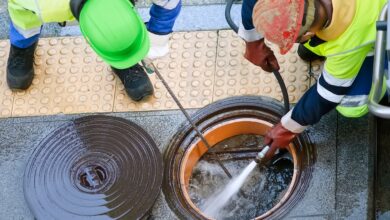
Your water filter may not be the only factor affecting the quality of your drinking water. Ageing plumbing systems can introduce rust, sediment, bacteria, and even harmful metals into tap water, often without obvious warning signs. If your home has old pipes or plumbing infrastructure, choosing the right filtration system, including an RO water purifier, can help improve overall water quality and safety.
Why Your Home’s Plumbing Age Matters for Water Quality?
The age of your plumbing system can directly affect the quality of water used in your home. Over time, older pipes may deteriorate due to corrosion, mineral build-up, and water stagnation. In some homes, old plumbing systems may also contain lead components or galvanised steel pipes that can release contaminants into the water supply.
Common signs of ageing plumbing include a metallic taste in water, rust stains, discoloured water, unusual odours, and visible sediment.
Ways Old Plumbing Can Impact Your Water Quality
Old plumbing systems can affect tap water quality through corrosion, leaching, and water stagnation. Some common effects include:
- Rust and Sediment Build-Up
Iron and galvanised steel pipes can corrode internally over time, releasing rust particles and sediment into the water supply. This may lead to cloudy or discoloured water and can also clog fixtures and household appliances.
- Lead Contamination Risks
Older homes may contain lead pipes, lead solder, or plumbing fixtures with lead components. Over time, corrosion can cause leaching of lead into drinking water, especially in soft or acidic water conditions. Even low levels of lead exposure may pose health risks, particularly for children.
- Metallic Taste and Discolouration
Pipe corrosion can give tap water a metallic taste or cause brown, yellow, or cloudy discolouration. This is more common in ageing copper or galvanised steel plumbing systems.
- Bacterial Growth in Ageing Plumbing
Old pipes can develop rough inner surfaces where bacteria may grow more easily. Water that remains stagnant in unused taps or ageing pipe sections can further increase the risk of bacterial build-up.
Common Signs Your Plumbing May Be Affecting Your Water
Corrosion, mineral buildup, leaks, and stagnant water can all affect household water quality. Here are some common warning signs:
- Brown, yellow, or cloudy water, which may indicate rust or sediment buildup inside old pipes.
- A metallic taste or unpleasant smell caused by pipe corrosion or stagnant water.
- Reduced pressure or particles in tap water, which may point to mineral deposits, rust, or pipe damage.
- White or chalky residue around the showerheads and taps, often caused by hard water buildup.
Types of Plumbing Materials and Their Impact on Water Quality
Different plumbing materials can affect water quality in different ways. Some materials are more prone to corrosion or chemical leaching than others.
| Plumbing material | Impact on water quality |
| Lead | Harmful lead can be leached into drinking water, posing serious health risks like high blood pressure in the elderly population and brain and kidney damage in children.
|
| Galvanised steel | Prone to internal rusting, which may add iron sediment and a metallic taste to water. |
| Copper | It may get released into water in acidic conditions, affecting taste and water chemistry. |
| PVC (polyvinyl chloride)/CPVC (chlorinated polyvinyl chloride) | Generally resistant to corrosion and less likely to affect water quality. |
| PEX (cross-linked polyethene) | It is a flexible and durable plastic tubing used in many residential areas, which may release small amounts of organic compounds that can occasionally affect taste or odour. |
| HDPE (high-density polyethylene) | It is a durable and recyclable thermoplastic used in plumbing. It can sometimes affect chlorine levels or water taste in certain conditions. |
Choosing the Right Water Filtration System Based on Older Plumbing
The right water filtration system can help reduce rust, sediment, lead, and other contaminants commonly associated with ageing plumbing systems.
- Sediment Filters
Sediment filters capture rust, dirt, sand, and particles from old or corroded pipes, helping reduce cloudy water and fixture blockages.
- Activated Carbon Filters
Activated carbon filters help reduce chlorine, odours, and certain organic contaminants while improving the taste of drinking water. They may also help reduce contaminants linked to older plumbing systems.
- Reverse Osmosis (RO) filters
RO filters use specialised membranes to remove dissolved impurities, heavy metals, and contaminants like pesticides from drinking water.
- UV Filter
UV Filters use ultraviolet light to help reduce microorganisms that may develop in stagnant water or ageing plumbing systems.
Conclusion
Old plumbing systems can directly affect the safety, taste, and overall quality of tap water. Corrosion, rust, sediment buildup, and bacterial growth in ageing pipes may introduce contaminants that standard filtration systems may not fully address.
Identifying warning signs early can help you choose a more suitable filtration solution for your home. Selecting the right water treatment method can improve water quality, support safer daily use, and help address issues caused by ageing plumbing systems.