

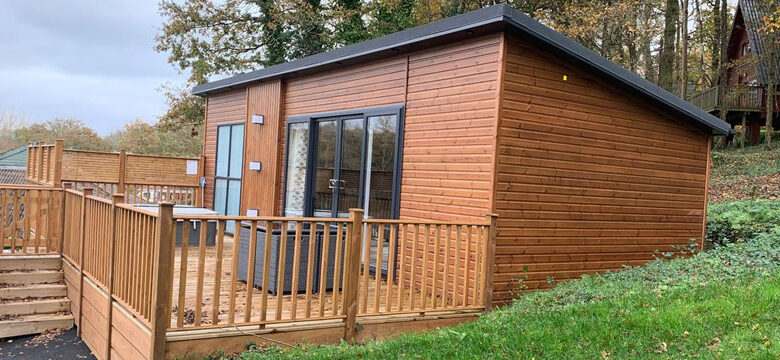
Log cabins continue to grow in popularity across the UK, especially during summer when gardens become an extension of everyday living. Whether used as a home office, gym, guest room or relaxation space, many homeowners ask the same important question before installing one: do you need planning permission?
The answer depends on several factors, including size, height, location and intended use. This guide explains the current UK rules and what to consider before installing a cabin in your garden.
Understanding Permitted Development Rights
In many cases, garden buildings fall under permitted development rights, meaning planning permission is not required. These rights allow homeowners to make certain changes to their property without submitting a formal planning application.
Log cabins are usually classed as outbuildings, and as long as they meet specific criteria, they can often be installed without planning permission. However, permitted development rules are detailed, and it’s important to understand where the limits apply.
Size and Height Restrictions
One of the most important considerations is the size of the structure. Under permitted development rules, the cabin must be incidental to the main house and not dominate the garden.
Height limits are particularly important:
- If the cabin has a pitched roof, it must not exceed 4 metres in height.
- If it has a flat or mono-pitched roof, the maximum height is 3 metres.
- If the building is within 2 metres of a boundary, the height is limited to 2.5 metres, regardless of roof type.
Staying within these limits is key to avoiding the need for planning permission.
Location Within the Garden
Where the cabin is positioned also matters. Outbuildings must usually be located to the rear of the property, not in front of the principal elevation of the house.
The total area covered by outbuildings, sheds and extensions must not exceed 50% of the garden area surrounding the original house. This ensures that outdoor space is not overly developed.
Careful placement helps ensure compliance and avoids disputes with neighbours or local authorities.
Intended Use Makes a Difference
How you plan to use the cabin plays a major role in whether permission is required. Structures used for purposes incidental to the main house—such as a home office, gym, hobby room or storage—are usually acceptable under permitted development.
However, if the cabin is intended to be used as:
- A self-contained living space
- A separate dwelling
- Short-term accommodation for renting out
then planning permission is likely to be required. Adding features such as kitchens, bathrooms or permanent sleeping arrangements may change how the building is classified.
Log cabins used for business purposes may also require additional permissions, especially if clients visit the property or there is increased traffic.
Summer Updates and Seasonal Considerations
There are no specific “summer-only” planning rules, but summer is the busiest time for garden building installations. Local planning departments often see an increase in enquiries and applications during warmer months.
This means it’s especially important to check rules early and allow time for clarification if needed. If your installation is close to permitted development limits, getting written confirmation from your local council can provide peace of mind.
Special Locations and Restrictions
Not all properties have the same permitted development rights. If your home is:
- In a conservation area
- A listed building
- Located in a national park or Area of Outstanding Natural Beauty
then restrictions are usually tighter. In these cases, planning permission may be required regardless of size or use.
Always check with your local planning authority if your property falls into one of these categories.
Building Regulations vs Planning Permission
Planning permission and building regulations are not the same thing. Even if planning permission is not required, building regulations may still apply depending on the construction and use of the cabin.
Building regulations are more likely to apply if the cabin:
- Is used for sleeping accommodation
- Has plumbing or drainage
- Is permanently connected to electrics
Ensuring compliance with both sets of rules helps avoid problems later on, especially if you sell your property.
When It’s Best to Seek Advice
If you’re unsure whether your cabin meets permitted development rules, it’s always safer to ask. Local councils can provide guidance, and many homeowners choose to submit a Lawful Development Certificate as proof that planning permission is not required.
This can be particularly useful for larger cabins or those used as offices or studios.
Planning permission is not always required, but it’s never something to assume. Size, height, location and usage all play a role in determining whether a cabin falls within permitted development.
By understanding the rules and checking details early, log cabins can be installed confidently and legally, allowing you to enjoy your garden space throughout the summer without unexpected complications.


