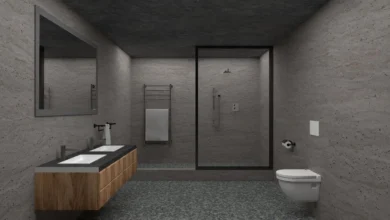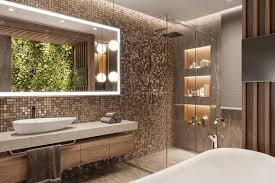
In the past, bathrooms were purely functional — places for hygiene and quick routines. Today, however, they’ve evolved into personal sanctuaries of relaxation, wellness, and technological sophistication. With the advent of smart home systems and luxury materials, the modern bathroom has become an intersection of design innovation, sustainability, and digital convenience. This transformation isn’t just aesthetic; it’s redefining how we experience self-care within our homes.
The Evolution from Functionality to Luxury
Bathrooms have undergone an extraordinary transformation in the last decade. Once minimal and utilitarian, they’re now designed with purpose-driven luxury. The key catalyst behind this change lies in the integration of smart technologies, wellness-inspired architecture, and eco-conscious design philosophies.
Today’s homeowners no longer see their bathrooms as isolated spaces. Instead, they’re extensions of lifestyle and personality. Whether it’s a chromotherapy shower, voice-activated lighting, or an AI-driven mirror that analyzes your skin, the bathroom has become the new wellness frontier.
Smart Fixtures: The Foundation of Intelligent Bathrooms
The foundation of any modern luxury bathroom is its smart fixtures — devices that combine performance, aesthetics, and digital control.
Smart Showers
Imagine stepping into a shower that knows your preferred water temperature, flow rate, and even plays your morning playlist. Digital shower systems now offer programmable presets, steam integration, and voice commands via smart assistants.
Features that define modern smart showers include:
-
Touchscreen or app-based controls for precise temperature and flow management.
-
Water-saving modes that optimize consumption without compromising comfort.
-
Aromatherapy and steam functions for a spa-grade experience.
Smart Toilets
No longer a novelty, smart toilets are now becoming the hallmark of high-end bathrooms. These models come equipped with features like automatic lids, heated seats, air purifiers, and self-cleaning functions.
Some even include health monitoring systems that analyze data such as hydration levels and detect anomalies in urine — merging wellness tracking with daily hygiene routines.
Intelligent Mirrors
Smart mirrors are emerging as multitasking devices that blend aesthetics and technology. Equipped with built-in LED lighting, touchless controls, weather updates, and Bluetooth connectivity, they act as personal assistants.
Advanced models offer skin analysis features and augmented reality makeup simulations, enabling a truly personalized experience each morning.
The Role of Biophilic Design in Bathroom Wellness
Luxury today isn’t defined by gold fixtures but by the feeling of calm and connection to nature. That’s why biophilic design — integrating natural elements into architecture — has become central to bathroom aesthetics.
Key Principles of Biophilic Bathroom Design
-
Natural Materials: Stone, wood, bamboo, and textured tiles offer tactile warmth and organic beauty.
-
Ample Natural Light: Skylights, large windows, and glass partitions create openness and airiness.
-
Indoor Greenery: Vertical gardens or small potted plants enhance oxygen flow and tranquility.
By connecting sensory elements such as touch, sound, and scent, biophilic bathrooms promote mental relaxation and stress reduction — essential components of modern wellness spaces.
Sustainable Luxury: The New Definition of Sophistication
Luxury no longer means indulgence without responsibility. The modern homeowner values eco-friendly solutions that reduce energy and water use while maintaining elegance.
Water-Efficient Innovations
-
Dual-flush systems and aerated faucets help conserve water.
-
Greywater recycling systems reuse water from showers or sinks for toilet flushing.
-
Smart leak detectors alert users instantly to prevent wastage or damage.
Energy Optimization
Bathrooms equipped with motion-sensor lighting, underfloor heating with zoned control, and energy-efficient ventilation systems represent the next level of conscious living.
Sustainable Materials
Eco-luxury design now emphasizes locally sourced stone, low-VOC paints, and recycled glass countertops, merging environmental ethics with premium craftsmanship.
The Integration of AI and Personalization
Artificial Intelligence is reshaping how we interact with our private spaces. Through data-driven learning, AI adapts your bathroom environment to match your preferences and routines.
For instance:
-
Smart mirrors can adjust lighting based on time of day.
-
AI-enabled showers remember individual user profiles.
-
Voice-controlled environments manage temperature, music, and aromatherapy seamlessly.
In high-end smart homes, the bathroom is no longer a passive space — it’s an interactive wellness zone that anticipates needs, tracks well-being, and ensures efficiency.
The Spa-Like Experience at Home
Homeowners increasingly desire the ambiance of a luxury spa within their bathrooms. This involves a mix of sensory and design elements aimed at creating immersive comfort.
Key Features of Spa-Like Bathrooms
-
Soaking tubs with hydrotherapy jets to relieve muscle tension.
-
Chromotherapy lighting systems that use color to influence mood.
-
Heated towel rails and radiant flooring for continuous warmth.
-
Soundscaping technologies that mimic rain, waves, or forest sounds.
When combined with essential oils, diffusers, and adjustable ambient lighting, these elements turn an ordinary bathroom into a rejuvenating retreat.
Design Trends Defining the Future of Bathrooms
Minimalist Opulence
Clean lines, floating vanities, and integrated storage solutions continue to dominate high-end bathroom design. The concept of “less but better” has replaced excessive ornamentation with refined simplicity.
Textured Surfaces and Contrasting Finishes
From matte black fixtures paired with brushed brass to micro-cement walls meeting natural wood, texture layering has become a way to create depth and sophistication.
Invisible Technology
True luxury hides complexity. Systems like concealed smart controls, hidden drainage, and framed-free glass partitions ensure a seamless and futuristic aesthetic.
Wellness Lighting
Dynamic lighting systems now simulate circadian rhythms, helping align the body’s natural sleep-wake cycles. This subtle but powerful innovation makes bathrooms a core part of holistic health design.
The Psychological Impact of Design and Technology
A beautifully designed bathroom does more than please the eye — it impacts mood and cognitive wellness. The integration of light, sound, and tactile elements enhances mindfulness and encourages mental decompression.
Researchers have noted that spaces designed with natural materials, soothing colors, and balanced symmetry can lower cortisol levels and boost serotonin production, making your bathroom more than just a luxury — it’s a mental health investment.
FAQs About Modern Luxury Bathrooms
1. How is a smart bathroom different from a traditional one?
Smart bathrooms integrate digital systems for automation, comfort, and energy efficiency — allowing users to personalize temperature, lighting, and sound with ease.
2. Are smart bathroom fixtures expensive to maintain?
Most smart fixtures are designed for longevity and low maintenance. They often include self-cleaning features and energy-saving modes that reduce operational costs.
3. Can luxury bathrooms also be eco-friendly?
Absolutely. Sustainable materials, energy-efficient lighting, and water-saving technologies make it possible to combine opulence with environmental responsibility.
4. What are the most trending finishes for luxury bathrooms?
Brushed brass, matte black, and soft nickel remain popular choices. However, textured natural stone and warm wood accents are making a strong comeback.
5. Is AI integration worth the investment for a bathroom?
For homeowners seeking ultimate personalization and energy efficiency, AI integration offers convenience and data-driven insights that elevate the overall experience.
6. How can small bathrooms incorporate luxury features?
Compact designs benefit from floating vanities, large mirrors, smart lighting, and multifunctional fixtures that maximize space without sacrificing elegance.
7. What’s the next big innovation in bathroom design?
The next frontier lies in fully autonomous bathrooms — spaces capable of real-time health monitoring, automated cleaning, and predictive maintenance using AI and IoT integration.