

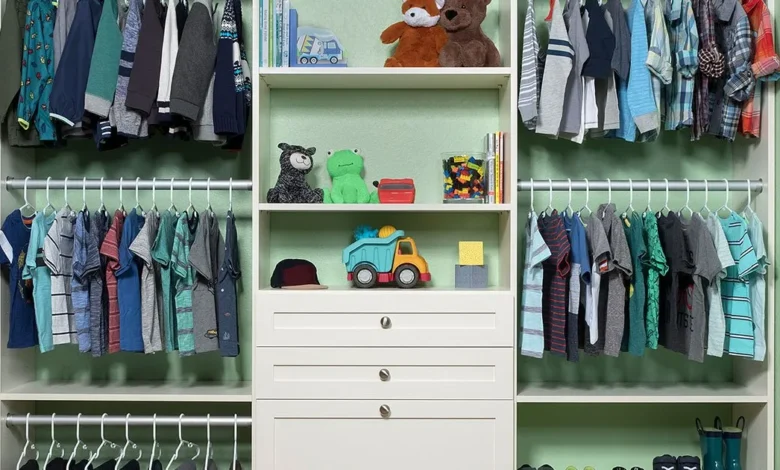
The back-to-school season has a way of sneaking up on us, doesn’t it? One day you’re enjoying summer break, and the next, you’re rushing to find clean uniforms, sneakers for gym class, and backpacks stuffed with supplies in your kid’s closet. This hectic shift is where organization can make a world of difference.
A closet that’s nicely organized and not overcrowded or messy is a game-changer for your daily routine. But if you’re a parent, it also teaches kids independence and responsibility. When everything has its place, children learn how to find what they need and put items away without constant reminders.
That small change can cut down on the stress of those chaotic school mornings and help your whole family start the day on the right foot.
Organizing Children’s Closets: 9 Top Tips
Sustainable closet organization is all about practical systems that can adapt to your child’s daily routine. With a little planning, their closet can become the command center that supports smooth mornings, tidy bedrooms, and lasting organization habits.
1. Start with a Seasonal Reset
Dedicate a day (or at least a few hours) to clearing out your child’s closet. This reset helps you see what still fits, what needs to be donated, and what gaps in their wardrobe should be filled before classes begin.
Clothing from the previous school year may no longer work, especially for growing kids. Outgrown items often crowd the closet, making it harder to keep track of what your child actually wears. Setting aside clothes to donate or store for younger siblings keeps the space functional.
It’s also the perfect opportunity to assess your existing storage systems. If bins are overflowing or hangers are mismatched, a simple reset brings order back into the closet.
Once the clutter is cleared out, you’ll have a clear foundation for the new school year.
2. Organize by School Routine
After the reset, arrange the closet with school routines in mind. The goal is to make mornings easier by reducing the number of decisions your child needs to make.
One effective strategy is to group clothing by category: uniforms in one section, casual clothes in another, and sports gear in its own space. This way, your child doesn’t have to search through a pile of jeans when they’re trying to find their soccer jersey.
Another tip is to dedicate a section of the closet to the “week ahead.” Some parents like to set aside five hangers, each labeled with a day of the week, to hold complete outfits.
This method saves time in the mornings and cuts down on arguments about what to wear. Kids can help select outfits on Sunday evening, making them feel involved and giving them a sense of ownership over their routine.
3. Use Accessible Storage
A back-to-school closet should be easy for kids to use on their own. Accessibility helps children participate in daily organization and reduces the amount of help they need from parents.
Install lower hanging rods or hooks so that younger kids can reach their clothes and backpacks. Bins or baskets for socks, shoes, or accessories work well when placed at child height.
For older children, shelves that can be adjusted or expanded are useful as wardrobes grow with age.
Accessibility encourages independence. When kids know exactly where to find their shoes or jacket, mornings become calmer. It also teaches them that organization is something they can manage without constant reminders.
4. Create a Homework and Activity Station
Closets don’t have to be limited to clothes. Some families find it helpful to use closet space for school supplies, sports gear, or extracurricular items.
Hooks inside or just outside the closet door can hold backpacks and lunch bags, making them easy to grab on the way out the door. Cubbies or bins can store art supplies, musical instruments, or sports equipment. Labeling these spaces creates a clear home for each item, which makes it less likely that your child will lose or forget something.
For older students, a small shelf inside the closet can serve as a homework station. Keeping extra notebooks, pencils, and folders organized in one place prevents the last-minute scramble when assignments are due.
5. Rotate Seasonal Items
The start of a new school year is also the right time to rotate clothing. Summer items like swimsuits and shorts can be packed away to make room for fall attire. Keeping the closet current prevents it from becoming overcrowded and makes it easier for kids to choose what to wear.
Seasonal rotation is another effective way to emphasize the importance of maintaining organizational habits. Every few months, go through the closet with your child to remove outgrown clothing and reassign space as needed. It reinforces the idea that closets are living spaces that adapt to their needs.
This practice also opens the door to discussions about donating gently used clothing, giving children a chance to understand generosity and community responsibility.
6. Label Everything
Labels are a small detail that makes a big difference. For younger children, picture labels on bins or drawers provide clear guidance on where things belong. Older kids may prefer simple text labels that identify sections for shoes, uniforms, or accessories.
Labels reduce confusion and build consistency. When children know where each item goes, they’re more likely to return it to the right place.
Over time, this becomes second nature, and the closet stays organized with less effort from parents—sounds pretty good, doesn’t it?
7. Involve Kids in the Process
Closet organization works best when kids are part of the setup. Let them decide on the placement of certain items or choose the style of baskets and hangers. These small choices help them feel invested in the system and more likely to keep it up.
Even toddlers can participate. Give them simple tasks like sorting socks into bins or hanging jackets on lower hooks. As they grow, you can add to their responsibilities to include setting out outfits or maintaining their shoe rack.
When children are part of the process, the closet becomes a personalized space rather than a system imposed on them. This sense of ownership makes closet organization feel natural instead of forced.
8. Add Personal Touches
A child’s closet doesn’t have to be purely functional. Adding personal touches keeps the space fun and inviting. Colorful baskets, patterned bins, or peel-and-stick wallpaper inside the closet can make organization more engaging.
Tweens and teens may appreciate options for personalization, such as changing drawer pulls or choosing the color scheme. These small details allow kids to express themselves and create a space that reflects their style.
Personal touches transform the closet from a chore zone into a space they enjoy using.
9. Keep It Sustainable
Back-to-school organization is not a one-time effort. The best systems are designed to last through the year with only small adjustments along the way.
Set reminders every few months to revisit the closet with your child. Together, sort through clothing, rotate seasonal items, and adjust storage as needs change. These regular check-ins prevent clutter from building up and ensure the closet remains practical.
Sustainability also means choosing adaptable storage solutions from the start.
Adjustable shelving, modular drawers, and expandable rods are a few examples of features that make it easier to update the closet without replacing everything. This flexibility saves time and resources while creating a closet that grows with your child.
Conclusion: Setting the Tone for the School Year
The back-to-school season can be stressful enough without adding the overwhelm of a messy closet. The good news is, closet organization provides a strong foundation for smoother mornings and calmer routines!
With a seasonal reset, accessible storage, clear labels, and personal touches, your child’s closet can become the reliable system that keeps their school year on track.
When designed thoughtfully, a closet grows with your child, adapting to their changing wardrobe and activities. This investment in organization supports today’s routine, but it also sets habits and skills they’ll carry forward for years.
Do you need more help implementing a great organizational system for the closets in your home? Contact Coastal Closets and Showers for help! Their custom space experts can help you create closets that work for your entire family!


