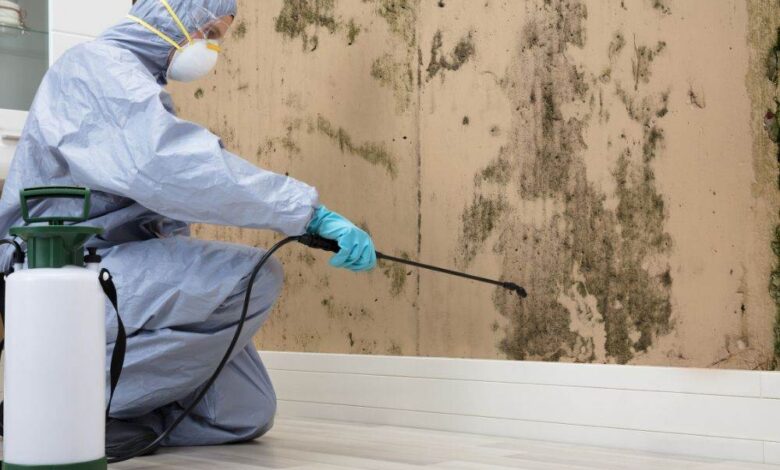
Mold is more than a cosmetic issue. It poses health risks, damages property, and spreads quickly if left unchecked. Many homeowners notice mold but are unsure when to involve professionals. Knowing the right time to call mold remediation experts can protect your home, your health, and your investment. Below is a comprehensive guide to identifying those moments when professional help is absolutely necessary.
Visible Mold Growth in Multiple Areas
If you spot mold in more than one part of your home, it is a strong indicator that the problem is larger than it appears. Mold often grows behind walls, under flooring, and above ceilings. When patches of black, green, or white mold appear in different rooms, the visible spots are only the tip of the problem. Specialists have tools to trace hidden moisture sources and safely remove mold without spreading spores throughout your property.
Strong, Persistent Musty Odors
A musty smell is one of the earliest warning signs of mold. If you consistently notice an earthy, damp odor in specific rooms or near HVAC vents, mold is likely growing where you cannot see it. Sprays and air fresheners may mask the smell temporarily, but the odor will persist until the mold is professionally addressed. Mold removal specialists use advanced detection methods to locate hidden colonies before they worsen.
Recent Water Damage or Flooding
Water is the fuel that allows mold to grow. After a basement flood, leaky roof, or burst pipe, mold can begin forming within 24 to 48 hours. Even if the water has been cleaned up, moisture trapped in building materials can feed mold growth. Professional remediation teams act quickly to remove contaminated materials, dry affected areas, and prevent mold from spreading further.
Health Symptoms Among Occupants
Exposure to mold can trigger a variety of health concerns. If you or family members are experiencing unexplained symptoms such as:
-
Frequent sneezing or coughing
-
Nasal congestion or runny nose
-
Itchy, watery eyes
-
Skin rashes
-
Asthma flare-ups or difficulty breathing
…then mold could be the culprit. People with allergies, asthma, or compromised immune systems are particularly vulnerable. A mold remediation specialist can confirm the presence of mold and remove it safely to restore healthier indoor air.
Mold in HVAC Systems
Finding mold near air vents or inside ductwork is a major red flag. Once mold enters your heating and cooling system, it spreads spores throughout your home every time the system runs. DIY cleaning is not effective in this case because spores are easily disturbed and re-circulated. Specialists use industry-approved equipment to clean HVAC systems and prevent recontamination.
Large or Stubborn Mold Patches
If mold covers more than 10 square feet, the Environmental Protection Agency recommends calling professionals. Large areas require specialized equipment, protective gear, and containment methods to avoid spreading mold spores. Even smaller areas that keep returning after cleaning are a signal that underlying moisture issues remain unresolved. Mold experts address both the growth and the source of the problem.
Unexplained Damage to Surfaces
Mold gradually breaks down the materials it grows on. Over time, you might notice:
-
Warped drywall or wood
-
Peeling paint or wallpaper
-
Stained ceilings or flooring
-
Crumbling plaster
These changes are more than cosmetic damage. They suggest that mold has been active long enough to weaken structural materials. A remediation team will determine the extent of the damage and restore affected areas.
Buying or Selling a Home
If you are purchasing or selling property, mold inspections are critical. Buyers want reassurance that a home is safe, and sellers benefit from addressing mold before it becomes a negotiation issue. Specialists can provide documentation of remediation, which builds trust and helps maintain property value.
Mold After DIY Cleaning Attempts
Bleach or household cleaners may remove surface mold temporarily, but they rarely eliminate the underlying problem. If mold returns after repeated cleaning, the issue is beyond what surface treatments can solve. Specialists not only remove the mold but also correct the moisture source, ensuring long-term results.
Protecting Property Value and Safety
Mold can reduce property value, increase repair costs, and compromise safety if ignored. Insurance policies may not cover damages caused by long-term neglect, making timely action critical. Contacting certified professionals ensures the problem is addressed correctly the first time, preserving both your home and finances.
FAQs About Calling a Mold Removal Specialist
Q. How quickly should I call a mold remediation expert after spotting mold?
If you notice visible mold or musty odors, contact a specialist immediately. Mold grows and spreads rapidly, so delaying professional help can make the problem worse.
Q. Will insurance cover mold remediation services?
Coverage depends on your policy and the cause of the mold. Many insurers cover mold resulting from sudden water damage, such as a burst pipe, but not from long-term neglect. Always review your policy and consult your provider.
Q. Can mold remediation experts prevent mold from returning?
Yes. A reputable specialist not only removes existing mold but also identifies and repairs moisture issues. They may recommend improvements to ventilation, insulation, or drainage to stop recurrence.
Q. Is it dangerous to stay in a house with mold while waiting for specialists?
Extended exposure can aggravate allergies and respiratory conditions. While small amounts may not pose an immediate emergency, it is best to avoid affected areas until remediation is complete.
Q. How long does the mold remediation process take?
The timeline varies depending on the severity and spread of the mold. Small cases may take a day or two, while larger infestations involving structural repairs could take a week or more. Specialists will provide an estimate after an inspection.