

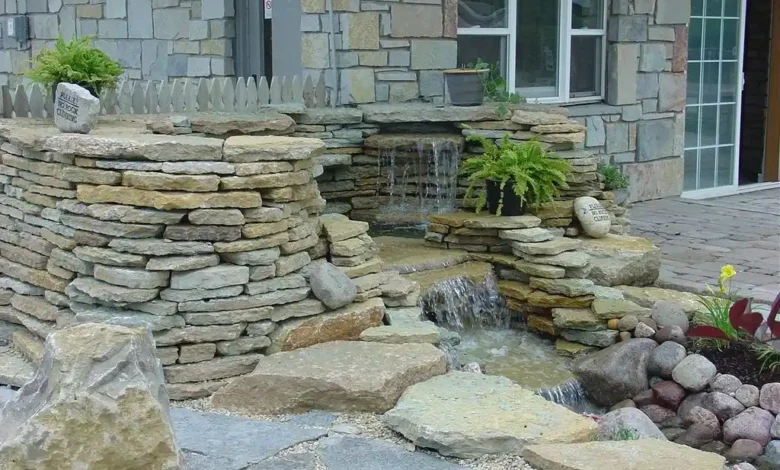
Natural stone works in nearly every part of a residential landscape, from the walkway leading to the front door to the walls surrounding a backyard patio. Some homeowners choose it for its irregular shapes and earthy colors, while others prefer the clean lines of cut stone. The range of available materials makes it possible to create outdoor spaces that complement the house without making every feature look identical.
In Colorado, the intended use matters as much as appearance. A decorative boulder has few of the same requirements as a patio exposed to snow and regular foot traffic. Drainage, stone thickness, and the quality of the supporting base can influence how an installation performs over time. Understanding where different stone products work best makes planning easier and helps homeowners avoid choosing a material based on appearance alone.
1. Build a Patio That Fits the Property
A natural stone patio can be designed around the shape of a yard rather than forcing the landscape into a rectangular layout. Irregular flagstone works well for informal seating areas, particularly where the patio connects to garden beds or existing trees. Homeowners who prefer a more structured appearance may choose dimensional stone with consistent edges and tighter joints. Both approaches can create comfortable outdoor living areas, provided the material is suited to paving and installed over an appropriate foundation. In Northern Colorado, drainage and base preparation deserve particular attention because moisture and seasonal freezing can contribute to movement beneath poorly supported stone. The finished surface should also be reasonably even, especially where outdoor furniture will be placed.
Larger patios may benefit from combining stone sizes or adjusting the layout to accommodate dining areas and walking routes. Planning those details before installation can reduce awkward cuts and make better use of the available space.
2. Connect Outdoor Areas With Stone Walkways
A walkway doesn’t need to look like a sidewalk to provide a dependable route through a yard. Broad pieces of flagstone can create a path between a driveway and front entrance, while individual stepping stones work well through garden areas where traffic is lighter. The spacing and surface texture should reflect how the path will be used. A frequently traveled entrance needs more consistent footing than an occasional route through a planting bed, particularly during Colorado winters when snow and ice may cover the surface. Stone paths can also follow gradual curves around existing landscape features, allowing homeowners to preserve established trees or garden areas without introducing unnecessary straight lines.
3. Make Sloped Yards More Usable With Retaining Walls
A sloping backyard can limit where homeowners place seating areas, gardens, or other outdoor features. Natural stone retaining walls can help create level spaces while providing a finished appearance that fits the surrounding terrain. Walling stone and large boulders offer different construction possibilities, with the appropriate choice depending on the height of the wall and the conditions of the site.
A low wall surrounding a raised garden bed may be relatively straightforward, but retaining a substantial amount of soil requires more careful planning. Drainage behind the wall is especially important because accumulated water increases pressure on the structure. Taller walls or those supporting nearby driveways and buildings may require engineering and permits.
Natural stone also provides opportunities to work with the existing landscape. On a property with exposed rock or mature vegetation, a wall built from appropriately selected stone can feel more connected to the setting than a uniform manufactured product.
4. Add Stone Steps Where the Yard Changes Elevation
Stone steps are useful anywhere a landscape changes elevation, from a short transition between a patio and lawn to a longer pathway through a hillside garden. Large slabs or dimensional stone can provide substantial walking surfaces while maintaining the natural appearance of the surrounding hardscape. The design needs consistent riser heights, adequate tread depth, and stable support beneath each piece. Irregular stone may require additional fitting to achieve comfortable footing, and exposed steps should have a surface texture appropriate for wet conditions. When steps are part of a larger project, coordinating their dimensions with nearby retaining walls and walkways can prevent awkward transitions between different elevations.
5. Give Garden Beds a More Defined Edge
Stone borders can separate planting beds from lawns and gravel areas without introducing a highly manufactured appearance. Smaller pieces of walling stone work well for low edges, while larger rocks can define planting areas on properties with more open space. The material doesn’t need to match every other stone feature in the yard, although similar colors and textures can help the landscape feel connected. In Colorado gardens, where native grasses and drought-tolerant plants are common choices, irregular stone can provide structure without making the planting design feel overly formal.
A border intended only to mark the edge of a bed has relatively modest construction requirements. Once the stone begins holding back substantial amounts of soil, however, the installation needs to account for the added pressure. Homeowners planning raised beds should distinguish between decorative edging and a small retaining wall before choosing materials.
6. Use Natural Stone Around Outdoor Fire Features
An outdoor fireplace or fire pit can benefit from natural stone facing that complements nearby patios and seating walls. The texture and color of the stone can make the feature feel like part of the landscape rather than a separate structure added later. Sandstone, granite, and other materials may be considered for decorative portions of a fire feature, but the stone’s location relative to the heat source is important. Not every natural stone can tolerate direct exposure to high temperatures, and moisture trapped within certain stones can create hazards when heated. Properly rated fire-resistant components should be used wherever the design requires them, with decorative stone installed according to the construction specifications. Homeowners should also check applicable local requirements and fire restrictions before building or operating an outdoor fire feature.
7. Use Large Boulders to Shape the Landscape
Boulders can accomplish quite a bit without requiring a complicated installation. A substantial stone near a driveway entrance can define the edge of a landscaped area, while several pieces arranged along a slope can create a transition between planting beds and natural terrain. Their irregular shapes make them particularly useful in Colorado, where exposed rock formations are already part of the surrounding landscape.
Placement has a considerable effect on the finished appearance. A boulder sitting entirely above the soil may look out of place, while partially setting it into the ground can make it appear more established. The stone should rest on stable material, and its position needs to account for drainage and nearby structures.
Size is another consideration that becomes obvious only after delivery. A boulder that looks manageable among hundreds of stones at a supplier’s yard can dominate a small residential garden. Measuring the intended location and checking equipment access before purchasing helps avoid unnecessary complications.
8. Bring Natural Stone Onto the Home With Exterior Veneer
Natural stone veneer gives homeowners another way to use landscape materials beyond patios and garden features. It can be incorporated into exterior columns, entryways, and portions of a home’s facade, creating a connection between the building and surrounding hardscape. Stone veneer is available in different profiles, from relatively uniform pieces to irregular shapes that resemble traditional masonry. Selecting colors that work with existing siding or brick can help the addition look intentional.
Exterior installation requires careful attention to moisture management and the supporting wall assembly. Stone veneer is part of a larger system that must accommodate weather exposure, and improper installation can allow water to collect behind the finished surface. Colorado’s freezing temperatures make those details particularly important. Homeowners should use materials and installation methods appropriate for the structure rather than treating veneer as a purely decorative finish.
Planning Natural Stone Improvements Around Your Home
Natural stone projects tend to work best when the material is selected for the job rather than the other way around. A patio needs an even walking surface, a retaining wall must account for soil pressure, and a decorative garden feature may have considerably more flexibility in shape and finish. The same stone variety may be available in several forms, allowing homeowners to coordinate different features without using identical pieces throughout the property.
For projects involving several areas of the yard, it can be helpful to plan the layout before ordering materials. A walkway that connects to a patio should have a comfortable transition, and drainage should be considered across the entire installation rather than separately for each feature. These decisions can affect the amount of stone needed and the preparation required before construction begins.
Natural Stone for Northern Colorado Homes
The Rock Garden in Fort Collins supplies natural stone for residential landscaping projects throughout Northern Colorado. Its selection includes flagstone, walling rock, drystack and stripstone, and landscape boulders. Homeowners and contractors can compare available materials and consider which products are appropriate for their planned installations.
Visit The Rock Garden at 167 Spaulding Lane in Fort Collins to view natural stone options for patios, walkways, walls, and other outdoor improvements.
Natural stone can serve practical and decorative purposes throughout a property. Choosing suitable materials and planning each installation around its intended use can help create outdoor spaces that remain functional through Colorado’s changing seasons.


