

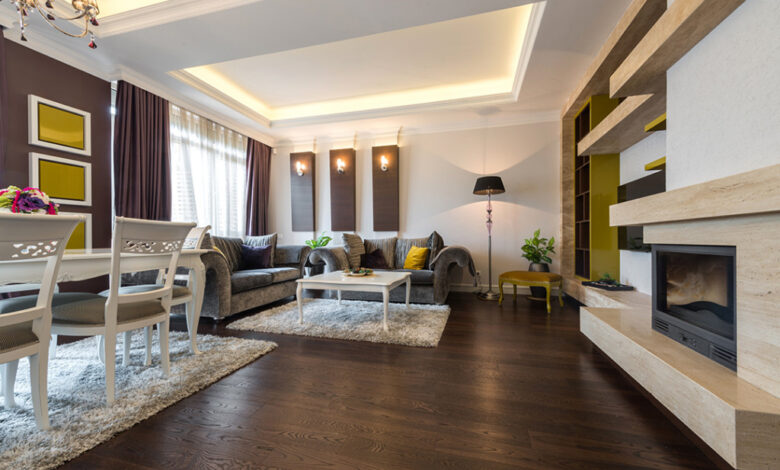
Creating harmony without perfect symmetry has become one of the most intriguing evolutions in high-end interior design. Asymmetrical balance—where visual weight rather than identical repetition creates equilibrium—offers an elevated, curated approach that challenges traditional decorating rules. It’s not about chaos or randomness, but about deliberate imbalance that feels natural, dynamic, and deeply intentional.
This article explores advanced décor methods that transform asymmetry into an expression of sophistication, rhythm, and refined design sensibility.
Understanding Asymmetrical Balance in Interior Design
Asymmetrical balance means achieving visual harmony through contrast instead of duplication. Instead of placing identical objects on either side of a room, designers create stability by balancing color intensity, shape, and placement. A large armchair on one side may be balanced by a set of smaller décor objects—perhaps a sculptural vase and a plant—on the other. This visual dialogue keeps the space lively and engaging, encouraging the eye to move naturally.
What makes this concept so modern is its resemblance to nature. The natural world rarely mirrors itself perfectly, yet it feels balanced and harmonious. That same organic rhythm brings warmth and authenticity into your home.
Why Asymmetry Feels Luxurious and Intentional
Luxury interiors rely on subtle imperfection to convey artistry. Perfect symmetry can feel predictable, while asymmetry feels handcrafted and intentional. The beauty lies in the tension between order and movement.
Here’s why asymmetry resonates so deeply in design today:
-
It enhances individuality: Each space feels custom and curated, never formulaic.
-
It tells a story: Objects appear thoughtfully collected rather than placed for uniformity.
-
It highlights craftsmanship: Unique pieces get the attention they deserve.
-
It feels human: Natural imbalance evokes comfort and warmth, avoiding stiffness or sterility.
In short, asymmetry makes a space feel alive—one that evolves and grows with its inhabitants.
Mastering Visual Weight
Understanding visual weight is the foundation of achieving asymmetrical balance. Visual weight refers to how the eye perceives the prominence or dominance of an element in space. It isn’t about physical mass but about visual perception.
Factors influencing visual weight include:
-
Color: Dark, bold hues feel heavier than lighter or neutral tones.
-
Texture: Rough, matte, or layered textures have more perceived weight than glossy surfaces.
-
Size and shape: Large, intricate shapes command more attention than smaller, simpler ones.
-
Position: Objects at eye level naturally draw more focus.
Balancing visual weight isn’t about symmetry—it’s about perception. A single statement painting on one side of a wall might balance a console table topped with smaller decorative accents on the other side. It’s all about visual equilibrium.
Creating Flow and Movement
While symmetry creates stillness, asymmetry creates rhythm. It guides the eye on a visual journey, offering moments of rest and discovery. Skilled designers use asymmetry to infuse a sense of motion that feels both deliberate and harmonious.
Here’s how to create flow within a space:
-
Use diagonal arrangements: Position furniture or art pieces at slight angles to generate energy.
-
Layer heights: Combine tall pieces with shorter ones to add rhythm and variation.
-
Play with depth: Mix background (art), midground (furniture), and foreground (plants or sculptures) to create dimensionality.
-
Incorporate visual pauses: Allow negative space to breathe—balance needs both presence and absence.
Movement in design isn’t achieved by clutter but through the strategic positioning of elements that interact visually.
Balancing Asymmetry with Subtle Symmetry
Even the most asymmetrical designs benefit from hints of structure. A small dose of symmetry brings calmness and unity. The key is blending the two seamlessly.
Examples include:
-
Pairing two identical lamps beside a bed but using different artwork above each nightstand.
-
Balancing asymmetrical furniture arrangements with a symmetrical rug layout.
-
Maintaining consistent color palettes to connect otherwise dissimilar shapes.
Think of it as a conversation between order and spontaneity—a carefully choreographed balance between predictability and surprise.
Adapting Asymmetry Across Design Styles
Asymmetry isn’t limited to one aesthetic; it adapts beautifully to various design philosophies.
Modern Minimalism
In minimalist interiors, asymmetry introduces character without compromising simplicity. A single oversized pendant hung off-center above a dining table can redefine the entire room’s energy.
Eclectic and Artistic Homes
For eclectic styles, asymmetry becomes a canvas for creativity. Combining furniture from different eras, varying artwork scales, and unconventional layouts results in rooms that feel personal and expressive.
Japandi and Wabi-Sabi Aesthetics
In these philosophies, asymmetry reflects imperfection as beauty. Décor placement is intuitive—guided by emotion and harmony rather than rigid rules.
Contemporary Luxury
In refined, high-end spaces, asymmetry often appears through contrast—smooth marble surfaces paired with rough linen, or minimal furniture juxtaposed with oversized sculptural lighting.
Lighting: Sculpting Balance Through Illumination
Lighting is often overlooked in achieving asymmetrical harmony. The right illumination ensures that the room’s visual weight feels balanced, regardless of object placement.
Consider these advanced techniques:
-
Layered lighting: Combine ambient, task, and accent lights to guide the viewer’s focus.
-
Directional spotlights: Use them to emphasize uneven compositions and highlight textures.
-
Asymmetrical pendant clusters: Hanging fixtures at different heights creates movement and visual rhythm.
Light, when used thoughtfully, can correct imbalance or amplify intentional contrast, turning any space into a living work of art.
Emotional and Psychological Effects of Asymmetry
Asymmetrical design doesn’t just transform aesthetics—it influences mood. While symmetry can feel static or formal, asymmetry evokes creativity, freedom, and authenticity. It mirrors how life actually unfolds: beautifully imperfect, yet balanced in its own way.
Spaces designed with this principle feel approachable, stimulating, and deeply personal. They encourage curiosity while maintaining harmony—qualities that invite comfort and creativity simultaneously.
Common Mistakes to Avoid
Even experienced decorators can misjudge asymmetry. Here are some errors to steer clear of:
-
Overcomplicating arrangements: Too many focal points create confusion rather than flow.
-
Ignoring color balance: Uneven hues can visually tip the room off balance.
-
Neglecting negative space: Empty areas are as vital as filled ones.
-
Forgetting scale: Mismatched proportions can make asymmetry look accidental, not intentional.
The goal is thoughtful imperfection, not visual chaos. Each imbalance must serve a clear purpose.
Final Thoughts
Mastering asymmetrical balance is the mark of a confident designer. It transforms ordinary rooms into compelling environments that feel curated yet comfortable, sophisticated yet soulful. True balance isn’t about mirroring—it’s about movement, intention, and emotional connection.
Asymmetry, when understood deeply, becomes more than a design choice. It becomes an art form—one that celebrates individuality, craftsmanship, and the beauty of imperfection.
FAQs
1. How can I achieve asymmetrical balance in a compact room?
Focus on proportion and visual flow rather than size. Use lighter tones and vertical emphasis to keep the space airy.
2. Which décor elements work best for asymmetry?
Art, lighting, and organic objects like plants or ceramics are ideal because they create focal variation without clutter.
3. Is asymmetry suitable for traditional interiors?
Yes. Introducing subtle asymmetry—such as off-centered wall art or mismatched chairs—modernizes traditional rooms while maintaining grace.
4. Can asymmetry make a room look unbalanced?
Only if done without intention. Balancing texture, color, and placement ensures harmony, even when forms differ.
5. How does color play into asymmetrical design?
Contrasting or complementary hues can visually offset objects of different sizes, maintaining a sense of cohesion.
6. What role does negative space play?
Empty space is essential—it prevents visual overload and helps define the balance between bold and subtle elements.
7. Does asymmetry work in open-concept layouts?
Absolutely. It helps naturally delineate zones like dining and lounging areas without using rigid partitions.


