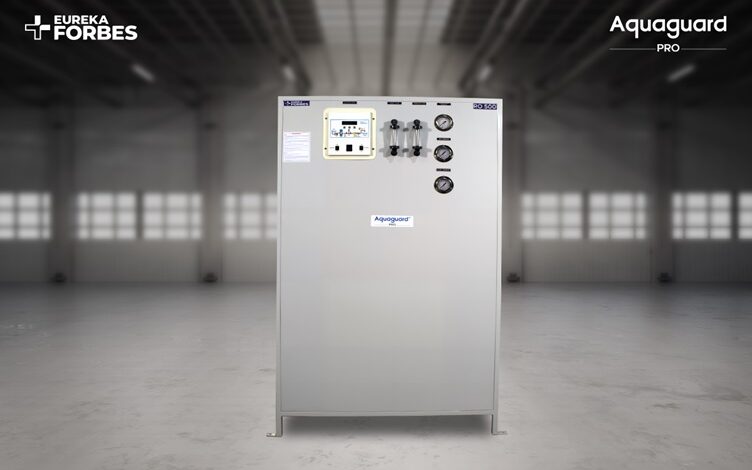
The demand for purified water continues to rise across industries, institutions, and large residential setups. As a result, many buyers are now researching RO plant prices to understand what drives the cost and how to choose the right system.
In 2025, the price of a commercial RO plant depends on several technical and operational factors, not just capacity alone.
- Capacity and Output Requirement
One of the biggest factors affecting RO plant price is the daily water output. Smaller plants designed for offices or clinics cost less than high-capacity systems used in factories, hotels, or housing societies. Commercial RO plants are typically rated in litres per hour (LPH), and higher flow rates require stronger pumps, larger membranes, and sturdier structures, which increase overall cost.
- Quality of Source Water
The condition of input water plays a major role in system design. Borewell water with high TDS, salinity, or hardness needs additional pre-treatment stages such as sand filters, carbon filters, or softeners. These added components improve performance and membrane life indirectly.
- Number of Filtration Stages
A basic RO water purifier includes sediment filtration, carbon filtration, and RO membranes. Commercial setups often add UV disinfection, UF filtration, or polishing filters to meet hygiene standards. The more stages involved, the higher the material, installation, and maintenance costs.
- Membrane Type and Quality
RO membranes are the main part of the purifier. High-rejection, long-life membranes certified for food and commercial use cost more than generic alternatives. Premium membranes offer better recovery rates, lower rejection losses, and longer replacement cycles, which impact upfront pricing but reduce long-term operating expenses.
- Automation and Control Features
Modern commercial RO plants come with varying levels of automation. Fully automatic systems include digital control panels, pressure sensors, auto-flush cycles, and safety alarms. These features increase initial investment but help save water, reduce manual intervention, and prevent system damage, making them cost-effective over time.
- Build Quality and Structural Design
Industrial frames, corrosion-resistant piping, and high-pressure pumps add to durability and reliability. Plants designed for continuous operation use stronger components than entry-level systems, which is reflected in pricing. Compact or skid-mounted designs may also influence cost depending on installation needs.
- Installation, Service, and Support
Beyond equipment cost, buyers should factor in installation, commissioning, and after-sales support. Brands with nationwide service networks, trained technicians, and genuine spare parts may have a higher initial RO plant price but offer better uptime and easier maintenance.
RO Plants by Aquaguard: A Reliable Choice
RO plants by Aquaguard are designed to address diverse commercial needs, from moderate to high-capacity applications. Models like the Aquaguard RO-500 and higher-capacity variants are built with robust components, efficient membranes, and automation features suited for continuous use. Their transparent specifications, service support, and long-term reliability make them a dependable option when evaluating commercial RO plant costs.
Final Thoughts
In 2025, the right RO plant is not about choosing the lowest price but understanding what goes into it. Capacity, water quality, filtration stages, automation, and service support all influence value. A well-chosen commercial RO plant ensures consistent water quality, operational efficiency, and long-term savings, making the investment worthwhile.