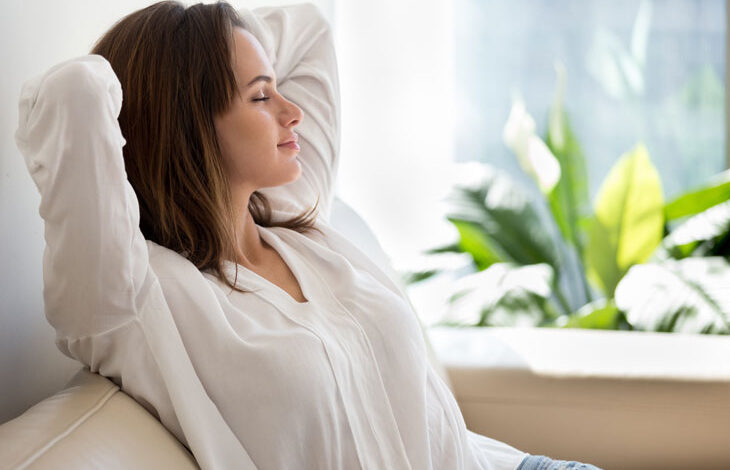
Self-care and mental health are at the forefront of public consciousness, permeating a number of industries with new trends and directions. The interior design industry has been, perhaps most of all, dramatically affected. Now, wellness and design seem inextricably linked, with homeowners across the country looking to design their living spaces in a way that helps to support their mental and physical health.
This trend is not solely among the younger generations either and, although Generation Z and social media trends might lead you to believe otherwise, older homeowners are also seeking to improve their living spaces, with wellbeing being an evident interest alongside style and functionality.
For those interested in better understanding how a home can support wellbeing or would like inspiration for their next interior design project, we’re sharing five modern designs being celebrated for their impact on the mind and body.
Natural Light
One of the most valuable designs a home can have is large windows. By welcoming natural light into a home, and in great amounts, a living space can feel more welcoming, more stylish, and more spacious. What’s more, access to natural light improves a body’s circadian rhythm which, in turn, helps to regulate and improve sleep. This means that, with the simple addition of natural light, a living space can be one of restoration.
Tidy Space, Tidy Mind
You may have heard the phrase storage solutions when exploring interior design options. It is an important one to acknowledge because storage is not solely a practical consideration, one that alleviates living spaces from clutter, but also a contributor to positive wellbeing.
Rooms that are impractical to use, being messy or ill-organised, create frustration. If they are unoptimised, they can also feel small and imposing. By improving storage, residents can create more space and greater harmony at home.
Dedicated Wellness
One of the most interesting developments of wellbeing becoming a priority at home is the popularity of dedicated spaces. In addition to kitchens, dining areas, bathrooms, and bedrooms, extra spaces are sought after, such as offices and hobby rooms. Alongside these, wellness spaces are also being created. Such spaces are designed to be wholly restorative, generally offering an escape from digital devices and modern stressors, as well as being set outside of the home and inside log cabins.
Natural Materials
Natural fabrics and materials are not only better for the environment but also for health, containing fewer chemicals than artificial alternatives. The manufacturing process of many fast-fabrics and widely manufactured furniture tends to include a number of ingredients that are associated with skin irritation and allergies, meaning that the cosy blanket purchased for a home can end up actually causing discomfort. Residents, as such, are now preferring to decorate their homes with natural materials free from potential harm.
Concealed Devices
Many common sources of stress relate to digital devices, whether social media or digital clutter within the home. Many modern residents are taking a stand and designing their interiors to mask their digital presence. Wired devices are being replaced with wireless alternatives, while those that are essentially wired are being concealed in every way possible